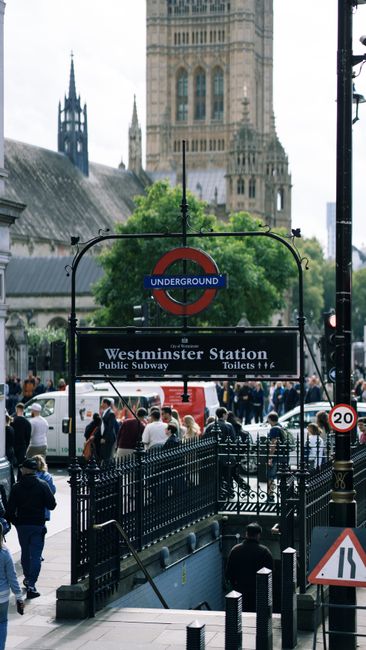
Fines & permits: City of Westminster cleaning compliance
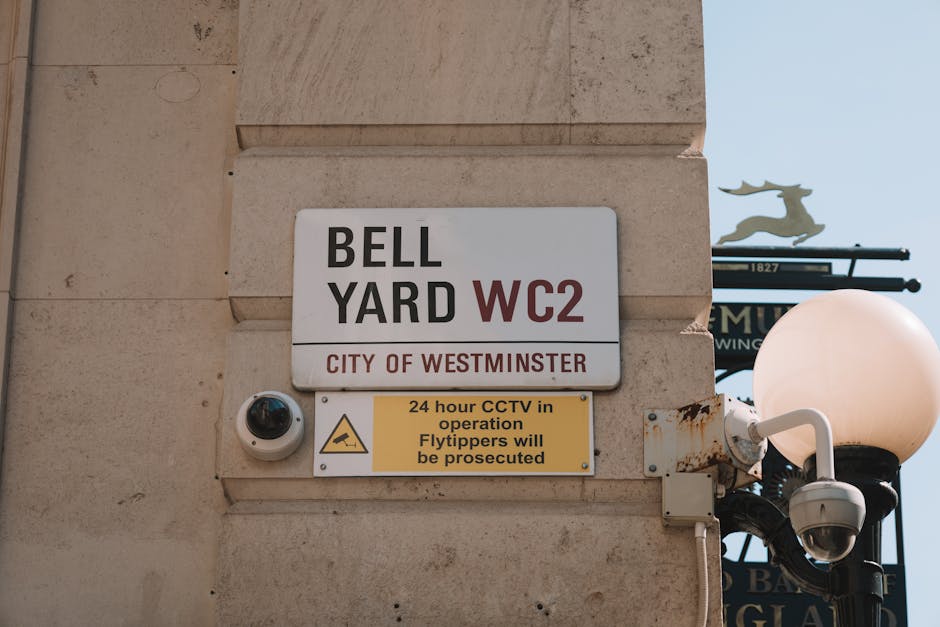
If you are arranging cleaning work in Westminster, the rules can feel oddly detailed at first. One day you are booking a straightforward tidy-up, the next you are thinking about waste bags, pavement access, skips, parking controls, and whether a job might need a permit at all. That is exactly why Fines & permits: City of Westminster cleaning compliance matters: it helps you avoid penalties, keep work moving, and stay on the right side of local requirements without turning a simple clean into a paperwork headache.
For households, landlords, property managers, and businesses, compliance is not just a box-ticking exercise. It affects timing, access, safety, neighbours, and the final cost of the job. In busy central London streets, a small mistake can snowball quickly. The good news? Once you understand the main moving parts, it becomes much easier to plan properly and stay calm.
This guide breaks the topic down in plain English, with practical steps, common mistakes, and the sort of real-world detail that saves time on the day. No fluff. Just the stuff that actually helps.
Why Fines & permits: City of Westminster cleaning compliance Matters
Westminster is not the kind of place where you can always assume a vehicle, van, or temporary setup will be tolerated just because the job is short. Streets are busy, loading space is limited, and many buildings sit under strict management rules. That means cleaning compliance often reaches beyond the cleaning itself.
In practical terms, the biggest risks usually come from access, waste handling, parking, and activity that affects public space. A cleaner might be perfectly capable of doing the work, yet still run into issues if a van blocks a restricted bay, sacks are left out in the wrong place, or equipment is set up where it should not be. To be fair, that is where many people get caught out. The clean is fine; the logistics are not.
For landlords and commercial tenants, the stakes can be even higher. A missed permit or poor coordination can delay an end-of-tenancy clean, disrupt office operations, or trigger complaints from building management. In residential settings, it can create friction with neighbours or concierge teams, which nobody wants at 8am on a Tuesday.
There is also the financial side. Fines, enforcement action, rebooking fees, and wasted labour all add up. Even if a penalty is not issued, the cost of sorting out a bad setup can be annoying enough. The aim is simple: plan the clean so the work can happen without avoidable interruptions.
Expert summary: compliance in Westminster is less about overcomplicating cleaning and more about managing the site properly. If access, parking, waste, and timing are handled early, the rest of the job is usually straightforward.
How Fines & permits: City of Westminster cleaning compliance Works
Most compliance issues fall into a few everyday categories. Some are directly about permits, while others are about avoiding conduct that leads to fines. The exact requirements depend on the building, the type of property, the street, and the scale of the work, so careful checking is always wise.
1. Identify what type of clean you are arranging
A small domestic clean is very different from a large after-builders job, a communal area clean, or a commercial office clean. The more equipment, waste, and time involved, the more likely you are to face access and logistics constraints. A simple one-off job may need little more than planning; a bigger project may need vehicle coordination, waste removal arrangements, and site permissions.
2. Check whether access or parking controls apply
Central Westminster often involves loading restrictions, controlled parking, resident bays, and building-specific access rules. If a van needs to stop for longer than a moment, or if cleaning materials must be carried through a narrow access point, you need to think ahead. In real life, the difference between a smooth morning and a stressful one is often whether the arrival plan was written down or just assumed.
3. Confirm whether waste needs a formal disposal route
Cleaning waste can mean bagged rubbish, bulky waste, packaging from equipment, or post-renovation debris. Not everything can be left in an ordinary bin store or street collection point. If the job creates more waste than a normal household bin can handle, it needs a proper disposal plan. That might be arranged by the property owner, managing agent, or cleaning provider depending on the service agreement.
4. Understand who is responsible
This is where people sometimes get muddled. The person booking the clean may not be the same person responsible for permits. For example, a landlord might approve the work, a building manager might control access, and the contractor may be responsible for safe working practices. If everyone assumes someone else has handled it, trouble tends to appear at the worst moment.
5. Keep records of permissions and instructions
Written confirmation matters. A permit reference, building access note, or agreed time window can save a job if a warden, concierge, or manager questions what is happening. It does not need to be fancy. A clear record is enough.
For a deeper look at how professional teams organise work safely and responsibly, it can help to review a provider's health and safety policy alongside its insurance and safety information. That sort of background tells you a lot about whether the crew is used to working in tighter central-London environments.
Key Benefits and Practical Advantages
Good compliance is not just about avoiding trouble. It also makes the cleaning itself better. When access is planned, waste is controlled, and expectations are clear, cleaners can focus on the actual standard of the job rather than wrangling logistics.
- Lower risk of fines: fewer parking, loading, and waste-related issues.
- Smoother scheduling: less waiting around for access or permissions.
- Better service quality: crews can arrive prepared and work efficiently.
- Less neighbour disruption: fewer complaints about noise, mess, or obstruction.
- Clearer responsibility: everyone knows who is doing what and by when.
- Stronger audit trail: useful for landlords, agents, and business operators.
There is also a subtle but important advantage: confidence. When the practical side is sorted, property managers and residents feel reassured. The job looks organised. And in Westminster, that matters. People notice order quickly, especially in shared buildings and busy streets.
If you are comparing service levels, it is worth checking how a provider handles planning as well as cleaning. A company offering commercial cleaning or deep cleaning should be comfortable discussing access, timing, and site constraints without sounding vague.
Who This Is For and When It Makes Sense
This topic is relevant to more people than you might expect. It is not only for contractors or facilities teams. If you are booking cleaning in Westminster, compliance can touch your plan even if you are just organising a one-off visit.
Homeowners and renters
If you are arranging a move-in clean, move-out clean, or end-of-tenancy clean, you may need to coordinate access, lift use, or waste removal. That is especially true in apartment blocks with concierge rules or timed deliveries. A quick job on paper can become a logistical puzzle very quickly.
Landlords and letting agents
For portfolio owners and agents, the main concern is consistency. You need cleans to happen on time, with minimal risk of complaint or penalty. If a tenant has already left and a new one is due in, there is not much room for surprises. The cleaner needs to know the site rules before arriving.
Businesses and office managers
Office cleaning, communal area cleaning, and after-hours work often involve access passes, restricted loading, and strict building etiquette. Westminster offices are rarely empty and silent; there is usually a receptionist, a security desk, or at least a neighbouring tenant with questions. Planning makes the difference.
Short-let hosts and hospitality operators
For Airbnb-style turnovers, the pressure is speed. You need rooms turned around efficiently, often between guests, and often with very little margin. A late arrival because of parking confusion is the kind of thing that can ruin an otherwise simple handover. That is why some hosts prefer regular schedules and predictable service routines.
Builders and renovation teams
After a refurb, cleaning can produce more waste, more dust, and more trips in and out of the building. That is when access planning, protective measures, and proper disposal become much more important. If the place has fine finishes, new carpets, or freshly painted walls, there is even less room for carelessness.
Step-by-Step Guidance
If you want to avoid fines and keep permits under control, work through the process in a simple order. No need to turn it into a major project. Just be methodical.
- Define the job clearly. Is it domestic, office-based, end-of-tenancy, after-builders, or a deeper intervention? The answer shapes everything else.
- Check building and site rules first. Ask about access times, lift protection, concierge sign-in, loading arrangements, and any restrictions on cleaning equipment.
- Assess parking and stopping requirements. If a van must wait, unload, or return later, make sure the arrangement fits the street and the time window.
- Plan waste handling. Decide in advance who removes rubbish, packaging, and leftover materials. Do not leave it vague.
- Confirm responsibility in writing. The booker, building manager, and contractor should each know what they are responsible for.
- Share the details with the cleaning team. Arrival instructions, entry codes, contact names, and permitted storage points should be passed on before the day.
- Keep proof of permission. Save emails, booking notes, or building instructions. It can help if there is any challenge on site.
- Review the job after completion. Check whether the plan worked. If not, adjust next time rather than repeating the same headache.
That last step sounds small, but it is where a lot of organisations quietly improve. One awkward experience on a side street near a busy office block can teach you more than a week of polite theory.
Expert Tips for Better Results
A few habits make a real difference in Westminster. They are not dramatic, just the sort of practical touches that keep the day moving.
- Build in a buffer. Traffic, lift delays, and concierge checks can eat time. Fifteen minutes can feel like a luxury, but it is often the difference between relaxed and rushed.
- Use one named point of contact. Too many voices create confusion. One person should handle access and approvals.
- Do not assume a permit is unnecessary. If a van is stopping in a tight or restricted area, ask the question early.
- Photograph the site on arrival and departure. This is useful for handovers, disputes, and general accountability.
- Match the cleaning method to the building. A shared entrance, polished stone stairwell, or newly fitted interior may need a gentler approach than a standard domestic room.
- Choose low-disruption timing where possible. Early mornings, lunchtime, and school-run hours can all create different pressures. Westminster is never entirely quiet, but some windows are better than others.
One small but useful tip: keep a "site note" for repeat visits. A few lines on parking, entrance codes, bin access, and the preferred contact can save everyone from rehashing the same conversation every month. Simple, really.
If you are arranging ongoing support, it may help to look at options like regular cleaning or, for occasional bigger resets, one-off cleaning. The right format often depends less on the room itself and more on how predictable the access is.
Common Mistakes to Avoid
Most compliance problems are not caused by bad intent. They come from assumptions. That is the annoying bit.
- Assuming a short visit needs no planning. Even a quick collection or clean can trigger a parking issue.
- Leaving waste decisions until the end. If rubbish builds up during the job, pressure rises fast.
- Not checking building rules. Some sites are fine with cleaners, but only at specific times or through designated entrances.
- Using the wrong vehicle setup. A large van in a tight Westminster street can create avoidable problems.
- Mixing up cleaning waste and general waste. They are not always handled the same way, especially in managed properties.
- Forgetting to brief the team properly. A cleaner cannot follow a rule they were never told about.
- Ignoring complaints until they escalate. If a neighbour or manager raises a concern, deal with it promptly and calmly.
Truth be told, the most common failure is not knowing who owns the risk. Once you clarify that, the job gets easier. Much easier.
Tools, Resources and Recommendations
You do not need a complicated system to stay compliant. A few basic tools will cover most situations.
- Booking notes or job sheets: use these to record access, timings, and site instructions.
- Site contact list: include the building manager, porter, letting agent, or office lead.
- Waste plan: note where waste goes and who removes it.
- Vehicle check: make sure the transport size suits the street and unloading point.
- Risk awareness checklist: especially useful for after-builders and commercial work.
- Service agreement: helpful for clarifying responsibility and scope.
On the provider side, a good website should give you confidence about how they operate. Useful pages to review include about the company, terms and conditions, pricing and quotes, and contact details. For many readers, those pages are a quick trust check before they book anything at all.
If sustainability matters to your building or business, the provider's recycling and sustainability approach can also be relevant. Not every site has the same disposal expectations, so it is worth asking how waste is handled rather than guessing.
Law, Compliance, Standards, or Best Practice
Because this topic touches permits, fines, and city-centre access, it sits close to local compliance and practical enforcement. The exact requirements can vary depending on the street, the property type, and whether the work affects public space or shared access. So, careful checking is the sensible path.
In general UK practice, the important principles are simple:
- Do not obstruct public access.
- Do not leave waste in a way that breaches site or council rules.
- Do not assume a stop, park, or load bay can be used without permission.
- Do not create avoidable risk for residents, staff, or passers-by.
- Keep records of who approved what.
For cleaning businesses, working safely also means using suitable equipment, protecting surfaces, and following agreed procedures for hazard control. For property managers and landlords, best practice is to give clear instructions before the day and avoid last-minute changes unless absolutely necessary.
There is a practical distinction here between a legal requirement and a best-practice expectation. A permit may be formally required in one situation, while in another situation the real issue is simply that a building manager expects prior notice. Both can still lead to disruption if ignored. That is why the safest approach is to treat access and waste as compliance issues, not afterthoughts.
Options, Methods, and Comparison Table
Different cleaning jobs in Westminster need different levels of preparation. The table below gives a simple way to think about it.
| Cleaning scenario | Typical compliance pressure | What to check first | Best approach |
|---|---|---|---|
| Domestic house cleaning | Usually low to moderate | Entry instructions, parking, bin access | Keep it simple and confirm the basics |
| Move-in / move-out cleaning | Moderate | Timing, lift use, handover windows | Coordinate early with the property contact |
| End-of-tenancy cleaning | Moderate to high | Access, inventory timing, waste handling | Plan around tenancy deadlines |
| Office cleaning | Moderate | Security, out-of-hours access, floor rules | Use a repeatable site checklist |
| After-builders cleaning | High | Debris removal, protective measures, vehicle access | Expect more coordination and build in time |
| Communal area cleaning | Moderate to high | Resident notices, common access, management approval | Communicate clearly and avoid peak disruption |
This is where experience really shows. A small, tidy job can often be handled with minimal fuss. A dusty renovation clean with ladders, tools, and bags of debris? Different story. Same word "cleaning," very different operational reality.
Case Study or Real-World Example
Imagine a landlord arranging a post-tenancy clean in a Westminster apartment near a busy road. The property is on an upper floor, the building has a narrow entrance, and the local street is tightly controlled. Nothing unusual, but plenty that could go sideways if nobody plans ahead.
On the first attempt, the cleaner arrives without a confirmed unloading window. The van can stop only briefly, so materials need to be carried in two trips. The concierge is in a meeting. One resident asks whether the bags can be left in the lobby "just for a minute." The minute becomes ten. Then the schedule begins to slip.
Now compare that with the organised version. The landlord shares access instructions the day before. The cleaner knows the arrival time, the contact name, and where to park. Waste bags are tied and removed the same day. The job is finished on time, the flat is ready for check-in, and there is no awkward email chain afterwards. Same clean, very different outcome.
That is the heart of Westminster compliance. It is rarely about one huge dramatic rule. It is usually about half a dozen small decisions that either support the job or slow it down.
Practical Checklist
Use this before the cleaning team arrives. It is short on purpose.
- Confirm the exact cleaning type and scope.
- Check building access rules and entry times.
- Confirm parking or loading arrangements.
- Identify who is responsible for permits, if any are needed.
- Share bin, waste, and disposal instructions.
- Provide a named site contact with a working phone number.
- Send any concierge or security requirements in writing.
- Protect shared areas, floors, and lift surfaces where needed.
- Keep records of approvals or special instructions.
- Review the job afterwards so the next visit is easier.
Quick takeaway: if you can answer who is coming, when they are arriving, where they can park, how waste leaves the site, and who approved it, you are already most of the way there.
Conclusion
Fines & permits in Westminster can sound intimidating, but the reality is more manageable than people expect. Most problems come from unclear access, rushed planning, or assumptions about parking and waste. Once those pieces are handled, the cleaning itself is usually the easy part.
Whether you are arranging a home clean, a full office reset, or a more demanding after-builders job, the smartest move is to treat compliance as part of the service, not a separate burden. It keeps the day calmer, reduces risk, and helps everyone involved work more confidently. And honestly, that calm feeling when the van arrives, the door opens, and everything runs to plan? Very satisfying.
If you are comparing providers, look for clear communication, practical planning, and a sensible approach to site rules. That is the stuff that matters when the street is busy and the clock is ticking.
Get a free quote today and see how much you can save.
Frequently Asked Questions
Do I always need a permit for cleaning work in Westminster?
No, not always. It depends on the nature of the work, whether a vehicle needs to stop or wait, and whether the job affects public space or restricted access. Some jobs need only planning; others need formal permission.
Who is usually responsible for permits and compliance?
Responsibility can sit with the booker, the property owner, the managing agent, or the contractor, depending on the arrangement. The safest approach is to assign one clear point of responsibility before the job begins.
Can a cleaner be fined for parking or loading issues?
Yes, if a vehicle is stopped or parked in a way that breaches local rules, a penalty can follow. That is why arrival instructions, parking guidance, and time windows matter so much in central Westminster.
What kind of cleaning jobs are most likely to need extra planning?
After-builders cleaning, office cleaning, communal area cleaning, and larger move-out cleans usually need the most planning. They often involve more equipment, more waste, or tighter access conditions.
How do I avoid complaints from neighbours or building management?
Give advance notice where appropriate, keep noise and mess down, and make sure the team knows the building rules. Simple courtesy goes a long way, especially in shared Westminster properties.
What if I am only booking a one-off clean?
Even one-off cleaning can need planning if the building has strict access rules or limited parking. A short job is not automatically a simple job, which is mildly annoying but true.
Is waste handling part of cleaning compliance?
Yes. Waste disposal is one of the most common areas where things go wrong. Bagging, removal, and the correct disposal route should all be agreed in advance.
Should I ask for insurance and safety details from the cleaner?
Yes, especially for larger jobs or work in managed buildings. It is sensible to check a provider's insurance and safety position before they start, because it shows they understand site risk properly.
What documents should I keep for my records?
Keep written instructions, permit references if relevant, booking confirmations, site access notes, and any approval emails. If there is ever a dispute, that paper trail can be very useful.
How can I tell whether a cleaning company is organised enough for Westminster?
Look for clear communication, practical questions about access and parking, transparent terms, and a calm approach to planning. A good sign is when the company asks the right questions before giving you a final schedule.
Does regular cleaning reduce compliance problems?
Often, yes. Repeated visits build familiarity with the site, which can reduce mistakes around access, contacts, and timing. That said, the basics still need checking each time.
What is the simplest way to stay compliant without overthinking it?
Confirm the location rules, know where the vehicle can stop, decide how waste will be removed, and keep everything in writing. That simple four-part habit solves a surprising number of problems.