Communal Area Cleaning: Creating Safer, Healthier, and More Welcoming Shared Spaces
Communal area cleaning plays a vital role in keeping shared environments pleasant, hygienic, and comfortable for everyone who uses them. Whether it is an apartment block, office building, student residence, mixed-use property, or managed housing development, the condition of communal spaces shapes the first impression and the day-to-day experience of residents, visitors, and staff. Clean corridors, polished entryways, tidy stairwells, and fresh communal rooms do more than look good; they support health, reduce complaints, and help protect the long-term value of a property.
In any shared setting, communal area cleaning is about consistency. These are high-traffic zones where dirt, dust, fingerprints, litter, and germs build up quickly. A regular cleaning schedule helps prevent problems before they become visible or unpleasant. From removing marks on handrails to sanitising touchpoints, the right approach can transform the atmosphere of a building and make daily life easier for everyone involved.
Many property managers and residents now recognise that communal area cleaning is not simply an optional extra. It is an essential service that supports wellbeing, cleanliness standards, and property presentation. With the right cleaning routines, communal spaces stay welcoming throughout the year, even during busy seasons or periods of heavy foot traffic. 
Why Communal Area Cleaning Matters
Shared spaces can quickly lose their appeal if they are not maintained properly. Dust accumulates in corners, debris gathers on floors, and frequently touched surfaces can become breeding grounds for bacteria. Regular communal area cleaning reduces these risks and creates an environment that feels cared for rather than neglected. A well-kept communal area often reflects positively on the entire property, making residents feel more comfortable and visitors more impressed.
There is also a practical side to this. Clean communal areas can reduce slip hazards, keep entrances clear, and help preserve flooring, fixtures, and fittings. When grime is left to build up, it can become harder and more expensive to remove. Consistent cleaning prevents long-term deterioration and supports better maintenance across the building.
Another important benefit is harmony among occupants. In shared accommodation or apartment blocks, cleanliness is often a common concern. A structured communal area cleaning plan helps set standards and removes uncertainty about who is responsible for what. That clarity can reduce conflict and create a more cooperative community atmosphere.
Key Areas Included in Communal Area Cleaning
Different buildings require different approaches, but most communal area cleaning services focus on the same core zones. These are the spaces that receive the most traffic and are most visible to residents and guests. Attention to detail matters because even small oversights can affect the whole impression of a property. 
- Entrances and lobbies – first impression areas that need regular dusting, vacuuming, and floor care.
- Stairwells and landings – high-use zones where debris, scuffs, and fingerprints often appear.
- Corridors and hallways – long shared routes that require sweeping, mopping, and spot cleaning.
- Lift interiors and surrounds – frequent touchpoints such as buttons, handrails, and door panels.
- Communal kitchens and lounges – if applicable, these need thorough hygiene-focused cleaning.
- Bin rooms and waste areas – essential for controlling odours, pests, and contamination.
In many buildings, cleaning also extends to windows, skirting boards, door frames, light switches, and noticeboards. These smaller details may seem minor, but together they contribute to a polished and well-maintained environment. Effective communal area cleaning is as much about thoroughness as it is about visible results.
Some properties require extra attention to shared outdoor spaces as well. Courtyards, walkways, and entrance steps often collect leaves, mud, and litter. Including these areas in the routine helps create a cleaner overall presentation and a safer route for everyone using the building.
What Makes a Good Communal Area Cleaning Plan?
A strong cleaning plan starts with understanding how the space is used. A quiet residential block may need less frequent attention than a busy office complex or multi-occupancy building with constant movement. The best communal area cleaning schedules are tailored to the specific building, traffic levels, and seasonal conditions. 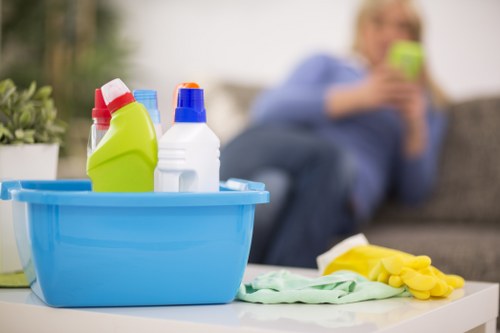
Good planning usually involves a mix of daily, weekly, and periodic tasks. Daily tasks may include sweeping, mopping, wiping touchpoints, and removing litter. Weekly tasks may involve deeper cleaning of skirting boards, glass, and less frequently used surfaces. Periodic work can include carpet extraction, high-level dusting, and detailed sanitation of neglected areas.
It is also important to use the right cleaning products and equipment. Microfibre cloths, neutral floor cleaners, disinfectants, vacuum systems, and specialist tools all have a role to play. The safest and most effective communal area cleaning approach uses products suited to the materials in the building, such as hard flooring, carpet, vinyl, stainless steel, or glass.
Daily Tasks That Keep Shared Spaces Fresh
Daily cleaning is the foundation of any reliable communal area cleaning routine. Shared areas experience constant use, so surface dirt and litter can appear quickly. A daily service ensures that the environment remains tidy, hygienic, and presentable from morning to evening.
- Sweep and mop hard floors to remove dust, mud, and spill residue.
- Vacuum carpets and mats to capture dirt and debris brought in from outside.
- Wipe down handrails, buttons, switches, and door handles.
- Empty bins and replace liners to prevent overflowing waste.
- Remove visible litter and tidy any misplaced items in shared areas.
These small actions help maintain a consistent standard and prevent larger cleaning problems from developing. In communal area cleaning, regular attention is often more effective than occasional deep cleaning alone. It keeps the area looking cared for every day and supports better hygiene throughout the property.
For properties with heavy footfall, daily service can also include spot-cleaning marks on walls, polishing entrance glass, and checking that reception or lobby areas remain neat. The more proactive the approach, the better the outcome.
Weekly and Periodic Cleaning for Deeper Results
While daily work handles visible dirt, weekly and periodic tasks provide the deeper level of care that shared spaces need. Communal area cleaning becomes significantly more effective when these routines are layered together. This approach helps address buildup in corners, edges, and surfaces that are not touched every day. 
Weekly tasks may include detailed dusting of ledges and fittings, cleaning behind furniture, sanitising bin storage areas, and refreshing entrance mats. In some buildings, this is also the right time to clean internal windows, polish metal fixtures, and remove cobwebs from ceilings or stairwell corners. These jobs are easy to overlook but have a strong impact on the overall look of the building.
Periodic cleaning goes further. It may involve steam cleaning carpets, pressure washing outdoor walkways, stripping and sealing floors, or completing a full sanitation of communal kitchens and restrooms. This deeper level of communal area cleaning helps restore the space and support longer-lasting cleanliness between routine visits.
How Communal Area Cleaning Improves Hygiene
Hygiene is one of the main reasons shared areas need regular care. In any space used by multiple people, surfaces can quickly become contaminated through touch, foot traffic, and airborne dust. Communal area cleaning reduces the spread of germs by focusing on the places people contact most often, including handrails, lift buttons, entrance doors, and shared tables.
Good hygiene is especially important in apartment blocks, student accommodation, care settings, and busy workplaces. In these environments, a reliable cleaning routine helps protect vulnerable people and creates confidence among users. It also supports a healthier atmosphere by reducing unpleasant odours, mould risk, and dust-related issues.
From a practical viewpoint, a clean environment encourages cleaner habits. When people enter a tidy building, they are more likely to respect the space. That positive cycle supports the overall success of communal area cleaning and helps maintain standards with less effort over time.
Common Challenges in Shared Space Maintenance
Communal area cleaning can be challenging because shared areas are used by many people, often throughout the day. One of the biggest issues is inconsistency. Dirt may be tracked in by residents, guests, delivery drivers, or service providers, and no single person controls the environment at all times. This makes regular cleaning essential rather than optional.
Another challenge is different expectations. Some occupants may expect immaculate conditions, while others may be less concerned. A clear cleaning schedule can help manage these expectations by showing when tasks are carried out and what areas are covered. Transparency makes it easier to maintain trust and reduce complaints.
Seasonal changes can also affect communal area cleaning. Wet weather brings mud and leaves, winter increases grit and salt residue, and warmer months may bring more dust and odours. Adapting the cleaning routine to the season keeps the property in better condition and helps avoid common issues before they spread.
Communal Area Cleaning in Residential Buildings
Residential buildings rely heavily on communal area cleaning because shared spaces are part of everyday living. Residents want corridors, staircases, lifts, and entrance halls to feel safe and pleasant. A clean building contributes to a better quality of life and can improve resident satisfaction significantly. 
In apartment blocks and housing developments, the cleaning schedule often needs to fit around peak usage times. Morning and evening traffic, moving days, deliveries, and visitor flow all influence when cleaning should happen. A professional service will consider these details to avoid disruption while still maintaining high standards.
Residential communal area cleaning also helps protect property value. Clean, well-maintained common parts suggest that the building is managed responsibly. This can be important for landlords, property managers, and residents alike, especially when the property is being viewed by prospective tenants or buyers.
Communal Area Cleaning in Commercial and Mixed-Use Buildings
In commercial buildings, shared spaces often support business image as much as function. Reception areas, hallways, elevators, and break rooms all contribute to how clients, employees, and partners experience the premises. Communal area cleaning in these settings must be efficient, discreet, and reliable to avoid disrupting daily operations.
Mixed-use buildings add another layer of complexity because residential and commercial users may have different traffic patterns and standards. A tailored cleaning plan ensures that each area receives the right level of attention. For example, a retail-facing lobby may need more frequent touchpoint cleaning, while a residential corridor may need regular floor care and waste removal.
In both cases, cleanliness supports professionalism. Visitors notice when a space is maintained well, and that impression can influence how they view the wider organisation or property management approach. Regular communal area cleaning is therefore a practical investment in presentation and reputation.
Professional Standards and Attention to Detail
The best communal area cleaning does not just remove dirt; it pays attention to the small details that shape the overall experience. That includes cleaning around edges, under furniture, behind bins, and along skirting boards. It also means noticing when fixtures need extra care or when a particular area has become a recurring problem.
Professional standards usually involve checklists, quality control, and flexible scheduling. This helps ensure nothing is missed and that the same standard is maintained over time. A structured system is especially useful in larger buildings where multiple floors or entrances need regular attention.
Attention to detail can be seen in the finish of a floor, the clarity of glass, the freshness of shared entrances, and the absence of lingering odours. Those subtle signs tell occupants that the building is managed with care. In communal area cleaning, these details matter just as much as the main cleaning tasks.
How Often Should Communal Areas Be Cleaned?
The answer depends on building type, occupancy, and usage. Some shared spaces need daily cleaning, while others may only require service a few times per week. A busy apartment block or office entrance will usually benefit from more frequent attention than a small building with limited foot traffic. The goal is to match the cleaning frequency to the real demands of the space.
Factors that influence the schedule include the number of users, the presence of children or pets, weather exposure, and the types of flooring and fixtures in the building. Communal area cleaning should always be responsive to these conditions rather than based on a one-size-fits-all model.
Regular review is also important. A cleaning plan that works well in one season may need adjustment in another. By monitoring the condition of the shared areas, managers can increase or reduce frequency to keep standards high without wasting time or budget.
Benefits for Residents, Managers, and Visitors
Communal area cleaning offers benefits that extend to everyone who enters the building. Residents enjoy a more pleasant home environment, managers deal with fewer cleanliness complaints, and visitors gain a positive impression from the moment they arrive. Clean shared spaces support comfort, safety, and pride in the property.
For residents, the biggest benefits are convenience and wellbeing. No one wants to walk through dusty hallways or use a stairwell that feels neglected. For managers, the benefit is control. A planned cleaning service creates predictability and makes it easier to uphold the property’s standards. For visitors, the benefit is simple: a cleaner and more welcoming experience.
There is also an economic advantage. Preventative cleaning can reduce wear on surfaces and avoid costly repair or replacement work. In that sense, communal area cleaning is not only about appearance; it is also about protecting investment and keeping maintenance costs sensible over time.
Choosing the Right Approach for Your Building
Every property is different, so the most effective communal area cleaning plan is one that reflects the building’s unique needs. A small block of flats, a student residence, a luxury development, and a busy office all require different routines. The right approach considers traffic levels, resident expectations, flooring types, and access requirements.
It also helps to set clear priorities. High-touch points, entrances, and waste areas often need the most frequent attention, while lower-traffic spaces may need scheduled deep cleaning. A balanced plan keeps the building looking its best while making efficient use of time and resources.
If you are reviewing your current cleaning setup, look for signs that the routine may need improvement: persistent odours, dirty corners, missed touchpoints, or frequent complaints. These are often indicators that the communal area cleaning schedule is too light, too infrequent, or too generic for the building.
Best Practices for Long-Lasting Cleanliness
Keeping shared spaces clean is easier when everyone supports the process. While professional cleaning handles the core maintenance, occupants can help by respecting waste rules, reporting spills quickly, and keeping personal items out of shared walkways. This shared responsibility improves results and reduces unnecessary mess.
A few best practices can make a noticeable difference:
- Use mats at entrances to trap dirt before it spreads indoors.
- Report spills or hazards quickly so they can be addressed.
- Keep bin areas organised and waste disposal routines clear.
- Maintain a visible cleaning schedule where appropriate.
- Refresh high-touch points more frequently during busy periods.
When these habits are combined with professional communal area cleaning, the whole property benefits. Cleanliness lasts longer, the building feels more orderly, and users are more likely to respect the shared environment.
Why Professional Communal Area Cleaning Makes a Difference
Although some tasks can be handled in-house, professional communal area cleaning offers a level of consistency, efficiency, and detail that is difficult to match without the right training and equipment. Experienced cleaners understand how to work across different materials, traffic patterns, and property types while keeping disruption to a minimum.
Professional services can also adapt quickly when needs change. If a building experiences increased usage, bad weather, renovation work, or a rise in complaints, the schedule can be adjusted accordingly. That flexibility is valuable because shared spaces rarely remain static for long.
Most importantly, professional cleaning supports peace of mind. When residents and managers know that communal spaces are being maintained properly, it reduces stress and allows them to focus on other priorities. In this sense, communal area cleaning is an investment in both presentation and practical management.
Conclusion: A Cleaner Communal Space Benefits Everyone
Communal area cleaning is one of the most effective ways to maintain a safe, attractive, and well-managed shared environment. It improves hygiene, reduces wear and tear, supports positive first impressions, and helps residents and visitors feel more comfortable. Whether the space is residential, commercial, or mixed-use, the value of regular and thoughtful cleaning is clear.
From daily touchpoint care to periodic deep cleaning, every part of the routine contributes to the overall standard of the property. With a tailored plan, good equipment, and attention to detail, communal area cleaning can transform shared spaces into places that feel organised, fresh, and welcoming every day.
If you are ready to improve the condition of your shared property, contact us today to discuss a cleaning plan that suits your building’s needs. Book your service now and keep your communal areas looking their best all year round.