Office Cleaning for Productive, Healthy, and Impressive Workspaces
Office cleaning plays a far bigger role in business success than many people realize. A spotless workplace does more than look good; it supports employee health, improves morale, protects your brand image, and helps create a more focused environment. Whether you manage a small startup, a busy corporate floor, a shared coworking space, or a professional suite, office cleaning is one of the smartest investments you can make. When cleaning standards are consistent, visitors notice, staff feel more comfortable, and daily operations run more smoothly.
Modern office cleaning is not just about emptying bins and vacuuming carpets. It includes sanitizing high-touch areas, maintaining restrooms, caring for floors, dusting shared equipment, and keeping common spaces organized and fresh. In today’s competitive business climate, a clean office can influence everything from staff retention to client confidence. That is why many businesses prioritize office cleaning as part of their regular operations rather than treating it as an afterthought.
From a search perspective, businesses are increasingly looking for reliable office cleaning solutions that are efficient, flexible, and tailored to their workspace. This is where planning, routine, and professional standards matter. A well-maintained office can reduce sick days, preserve furniture and surfaces, and create a polished look that reflects well on your company. If you want a workplace that feels organized, productive, and welcoming, office cleaning should be a non-negotiable part of your business routine.
Why Office Cleaning Matters for Every Business
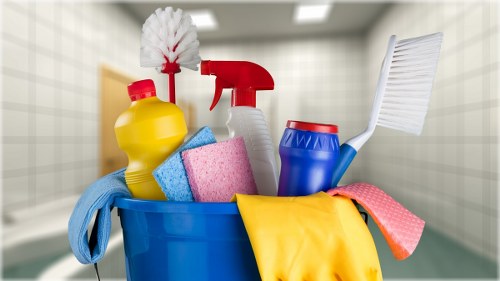
Office cleaning is directly linked to the overall performance of a workplace. Employees spend a large portion of their day at work, and the environment around them affects concentration, comfort, and well-being. Dust buildup, dirty restrooms, cluttered desks, and neglected kitchens can quickly make an office feel worn out and unpleasant. On the other hand, a fresh and hygienic space helps employees stay focused and supports a professional atmosphere.
First impressions matter in business. When clients, partners, or candidates walk into your office, they immediately notice the condition of the space. Clean floors, polished surfaces, and tidy reception areas create confidence before anyone even begins a conversation. Office cleaning therefore serves as a subtle but powerful part of your brand identity. It tells people that your business pays attention to detail and values quality in everything it does.
There are also practical reasons to invest in office cleaning. Dust and allergens can accumulate quickly in shared workspaces, especially in carpeted or heavily trafficked areas. Regular cleaning helps reduce irritants, minimizes odors, and supports healthier indoor air quality. Many companies now understand that office cleaning is not simply an aesthetic choice; it is a workplace health strategy that benefits everyone who enters the building.
Core Areas Included in Professional Office Cleaning
Effective office cleaning covers multiple zones, each with different needs. A well-rounded cleaning plan usually includes workstations, meeting rooms, shared kitchens, restrooms, hallways, lobbies, and break areas. Each of these spaces requires a different level of attention depending on usage, foot traffic, and the type of business operating there.
Workstations often collect dust, fingerprints, crumbs, and paper clutter. Cleaning these areas involves wiping down desks, disinfecting phones and keyboards where appropriate, removing trash, and maintaining tidy surfaces. Meeting rooms should be presented in a way that makes them ready for clients or internal collaboration at any time. Clean tables, chair arms, screens, and presentation equipment can make a noticeable difference in how the space is used.
Restrooms and kitchens deserve special attention because they are high-use areas that can affect employee comfort quickly. Regular sanitation in these spaces helps manage odors, germs, and mess before they become a problem. Office cleaning also extends to floors, windows, and shared touchpoints such as door handles, switches, elevator buttons, and handrails. When every core area is maintained properly, the entire workplace feels more organized and more professional.
High-Touch Surfaces That Need Frequent Attention
High-touch surfaces should be cleaned and disinfected regularly because they are used by many people throughout the day. These include:
- Door handles and push plates
- Light switches
- Shared desks and tabletops
- Copier and printer panels
- Kitchen appliance handles
- Bathroom fixtures
- Reception counters
How Office Cleaning Supports Employee Productivity
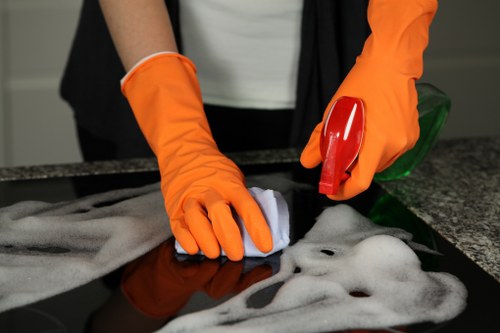
A clean office can help employees stay focused and work more efficiently. When workspaces are cluttered or dusty, people may spend extra time searching for items, moving around obstacles, or dealing with discomfort. Office cleaning reduces these small but constant interruptions. A clean and organized workplace allows staff to concentrate on their tasks instead of the environment around them.
There is also a psychological effect. People generally feel more motivated in spaces that look cared for and orderly. When office cleaning is handled consistently, staff members often take more pride in their surroundings and maintain better habits themselves. This creates a positive cycle: cleaner spaces encourage better behavior, and better behavior helps keep the office cleaner.
Another key benefit is that office cleaning can support fewer absences caused by common illnesses. Germs spread quickly in shared environments, especially in spaces where multiple employees use the same equipment, restrooms, and kitchen appliances. Routine sanitation helps limit the transmission of bacteria and viruses. While cleaning cannot eliminate every health risk, it is an important layer of protection that supports a healthier workforce.
Simple Productivity Benefits of a Clean Office
- Less visual distraction
- Fewer odors and irritants
- Better focus and concentration
- Improved morale and comfort
- Cleaner shared equipment
Office Cleaning Methods That Deliver Better Results
Not all office cleaning is the same. The best results come from using the right methods for the right surfaces and spaces. A thoughtful approach to office cleaning typically includes dusting, vacuuming, sweeping, mopping, sanitizing, waste removal, restroom maintenance, and detailed cleaning of common areas. Each step should be performed in a logical order so that dirt is removed efficiently and surfaces are left in good condition.
Microfiber cloths, color-coded cleaning tools, HEPA-filter vacuum systems, and approved disinfectants are often used in professional office cleaning because they improve effectiveness and reduce cross-contamination. Color-coding is especially helpful in offices because it keeps cleaning tools for restrooms separate from those used in kitchens and desks. This is a simple but powerful way to protect hygiene standards.
Office cleaning should also follow a schedule. Some tasks need to happen daily, while others may be weekly or monthly. Daily tasks might include trash removal, restroom sanitation, and kitchen wipe-downs. Weekly tasks may focus on deep dusting, vacuuming under furniture, and cleaning glass partitions. Monthly tasks might involve floor care, upholstery cleaning, or more detailed attention to overlooked areas.
Daily, Weekly, and Monthly Office Cleaning Tasks
- Daily: Empty bins, sanitize restrooms, wipe common surfaces, and clean kitchens.
- Weekly: Vacuum carpets, mop hard floors, dust vents, and clean glass surfaces.
- Monthly: Deep-clean upholstery, inspect corners, and refresh storage areas.
Choosing the Right Office Cleaning Plan for Your Business

Every workplace has different cleaning needs, and the best office cleaning plan should reflect the size, layout, traffic level, and nature of the business. A law office may require a calm, polished appearance with careful attention to reception and meeting rooms. A busy tech company may need frequent sanitation of shared desks, collaborative spaces, and break areas. An office cleaning plan should be tailored to these differences rather than relying on a generic routine.
When designing a cleaning plan, it is useful to consider how often each area is used. High-traffic areas need more frequent attention, while low-use storage rooms may require less frequent service. It is also important to think about business hours. Some offices prefer cleaning after hours to avoid disruption, while others need daytime support for ongoing maintenance. Flexible office cleaning schedules help businesses stay clean without interrupting operations.
Budget matters too, but office cleaning should be viewed as value rather than just cost. Choosing the cheapest option may lead to inconsistent work, overlooked areas, or poor communication. A more balanced approach is to focus on reliability, service quality, and professionalism. Over time, the right office cleaning plan can protect assets, extend the life of flooring and furniture, and keep the workplace looking its best.
Questions to Ask Before Setting a Cleaning Schedule
- How many employees use the space daily?
- Which areas are shared most often?
- Are there client-facing spaces that must always look polished?
- Do you need daytime or after-hours service?
- Are there special surfaces or materials that need specific care?
Office Cleaning and Workplace Health
Health is one of the strongest reasons to invest in office cleaning. Shared environments naturally collect germs, dust, and airborne particles, especially when many people use the same surfaces. A consistent cleaning routine helps reduce this buildup and supports a safer workplace. In addition to routine cleaning, attention to ventilation, restroom hygiene, and kitchen sanitation can make a noticeable difference in comfort and cleanliness.
Office cleaning is especially valuable during seasonal illness periods or in workplaces where many visitors come and go. Reception desks, elevator buttons, conference tables, and shared tools can all become touchpoints for contamination. Frequent cleaning of these surfaces is an important part of maintaining hygiene. When office cleaning is managed carefully, staff may feel more confident using shared spaces and collaborating with colleagues.
Clean offices also support mental well-being. Clutter and mess can make a workplace feel stressful or chaotic. In contrast, a clean environment helps create a sense of order, stability, and control. That is why office cleaning is often linked to a better overall employee experience. A healthy workplace is not just one that looks tidy; it is one that feels good to work in every day.
Common Challenges in Office Cleaning

Office cleaning can be challenging because offices are dynamic environments. People move in and out, meetings happen throughout the day, and shared areas get used constantly. One of the biggest challenges is maintaining consistency. A space that looks clean in the morning may need attention again by late afternoon. This is why office cleaning requires both planning and adaptability.
Another challenge is handling different materials correctly. Carpet, tile, wood, glass, stainless steel, and upholstered furniture all need specific products and techniques. Using the wrong cleaner can damage a surface or leave residue behind. For that reason, effective office cleaning relies on trained staff who understand how to care for each area properly.
Cross-contamination is another issue. If tools are reused across restrooms, kitchens, and desks without proper separation, germs can spread rather than be removed. Good office cleaning practices avoid this problem by using dedicated materials and clear processes. Attention to detail is critical because the small things often have the biggest impact on hygiene and appearance.
Typical Cleaning Problems Offices Face
- Dust buildup in vents and corners
- Smudges on glass and doors
- Overflowing bins in busy areas
- Odors in kitchens and restrooms
- Stains on carpets and upholstery
- Fingerprints on shared equipment
Best Practices for Maintaining a Cleaner Office Between Services
Even when professional office cleaning is in place, day-to-day habits matter. Employees and managers can help maintain a cleaner environment by keeping desks organized, cleaning up spills quickly, and using shared spaces responsibly. Small habits make a big difference over time. When everyone contributes, the office stays cleaner for longer and the need for emergency cleanup is reduced.
Encouraging a clean-desk culture is one of the easiest ways to support office cleaning efforts. Employees who clear paperwork, store supplies properly, and avoid leaving food out overnight make the entire workplace more manageable. Simple communication reminders can help reinforce these behaviors without being overly strict. The goal is to build a workplace culture that values order and cleanliness as part of everyday professionalism.
It is also useful to place cleaning supplies strategically in approved locations so staff can handle minor messes quickly. Hand sanitizer stations, paper towels, wipes, and clearly labeled trash bins can make a big difference. The easier it is to maintain cleanliness, the more likely people are to do it. Office cleaning works best when professional service and good workplace habits support each other.
Practical Habits That Help Keep the Office Clean
- Clear desks at the end of the day
- Wash mugs and dishes promptly
- Wipe spills immediately
- Dispose of trash properly
- Keep shared areas neat and organized
Why Professional Office Cleaning Often Outperforms DIY Efforts
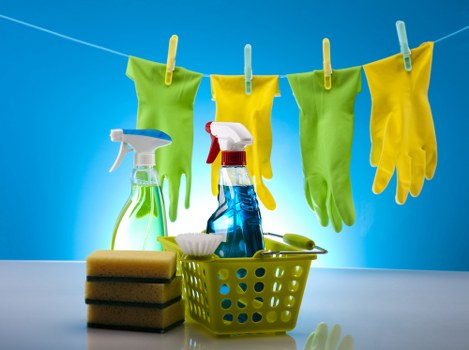
Some businesses rely on internal staff for basic tidying, but professional office cleaning usually delivers a more consistent and thorough result. Trained cleaners follow structured methods, use appropriate products, and know how to handle a wider range of surfaces and challenges. They are also better equipped to perform deeper sanitation work and maintain a predictable cleaning standard.
Professional office cleaning can save time for employees and managers. Instead of asking team members to take on cleaning responsibilities outside their job roles, companies can focus on productivity while the workspace is maintained by specialists. This allows staff to stay focused on core responsibilities and reduces the chance of cleaning tasks being forgotten or rushed.
There is also the issue of quality control. A professional approach to office cleaning usually includes checklists, routines, and periodic inspections to ensure nothing is missed. Whether the job involves restocking supplies, cleaning hard-to-reach areas, or maintaining floor care, the results are typically more dependable than ad hoc in-house efforts. For many businesses, this consistency is worth the investment.
Office Cleaning for Different Types of Workspaces
Different workplaces need different cleaning priorities. Office cleaning in a small administrative suite may focus on desks, restrooms, and reception areas. In a larger corporate setting, there may be more meeting rooms, communal kitchens, and high-traffic hallways to manage. Coworking spaces often need frequent attention because many people share desks, chairs, and breakout areas throughout the day.
Medical-adjacent offices, financial firms, creative studios, and professional services firms all have unique cleaning requirements as well. Some spaces require extra attention to confidentiality, some need pristine presentation for clients, and others may need frequent sanitation due to public traffic. The best office cleaning approach accounts for the realities of the workplace rather than applying the same process everywhere.
For example, a reception area should always look polished because it represents the company’s public face. Break rooms should be cleaned in a way that reduces odors and food buildup. Conference rooms should be ready for meetings with clean surfaces and organized seating. When office cleaning is adapted to each zone, the result is a better overall experience for employees and visitors alike.
Workspace-Specific Cleaning Priorities
- Reception areas: presentation, glass, counters, and flooring
- Workstations: dust control, surface wiping, and trash removal
- Meeting rooms: tables, seating, screens, and presentation tools
- Break rooms: sinks, counters, appliances, and sanitation
- Restrooms: hygiene, odors, and touchpoint cleaning
The Long-Term Value of Office Cleaning
Office cleaning is not only about daily appearance. Over time, regular cleaning helps protect the condition of furniture, carpets, flooring, fixtures, and equipment. Dust and grime can wear down surfaces if they are left unchecked. By maintaining these assets properly, businesses can extend their useful life and avoid unnecessary replacement costs.
There is also brand value to consider. A clean office communicates professionalism, care, and reliability. These are qualities that matter to clients, employees, and business partners. When people see a company investing in office cleaning, they often associate that attention to detail with the overall quality of the business itself. It is a subtle signal, but a powerful one.
Most importantly, office cleaning creates a better day-to-day experience for everyone using the space. Employees work better in a clean environment, visitors feel more welcome, and managers have fewer issues to address. If you want your workplace to reflect high standards and support better operations, make office cleaning a regular part of your business strategy. Contact us today to explore the best approach for your office, or book your service now and create a cleaner space that works harder for your business.