Pet odour treatments and upholstery cleaning in Mayfair
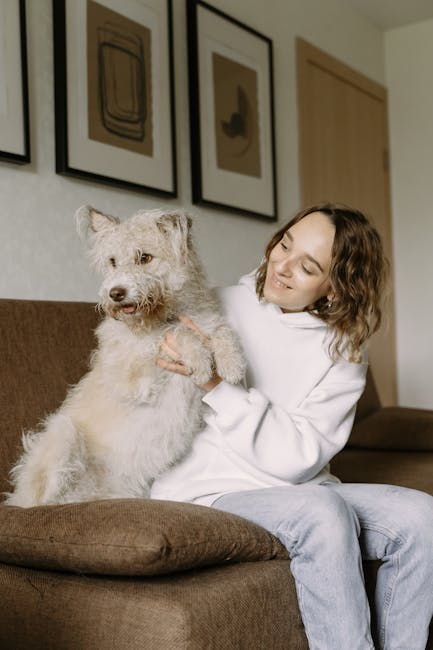
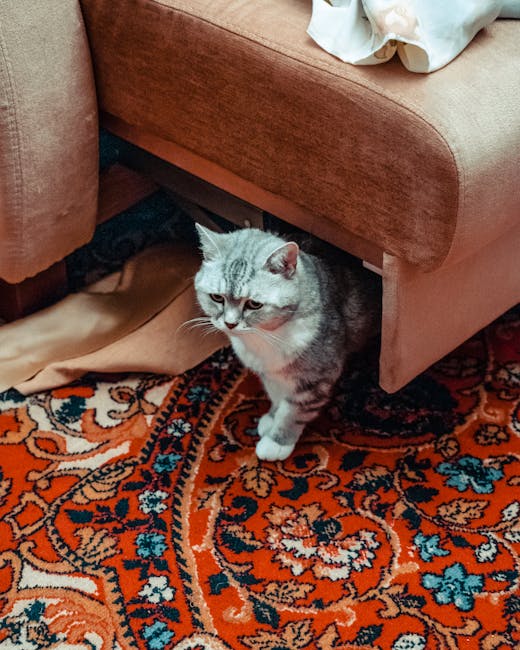
If you live or work in Mayfair, you already know that interiors here are expected to feel immaculate: calm, fresh, and properly cared for. But pets happen. A beloved dog on the sofa, a cat who has claimed an armchair, the occasional accident on a chaise or dining chair - and suddenly a room can look tidy while still carrying a stubborn smell. That is where Pet odour treatments and upholstery cleaning in Mayfair become genuinely useful, not just cosmetic. Done well, they remove lingering smells, lift embedded grime, and help furniture last longer without making the fabric feel harsh or over-wet.
This guide explains how the process works, what results to expect, when it makes sense to book professional help, and the small mistakes that often make odour problems come back. If you are weighing up whether to refresh a single sofa or arrange a fuller clean for the whole property, you will find the practical bits here. No fluff. Just the stuff that actually helps.
Why Pet odour treatments and upholstery cleaning in Mayfair Matters
Pet odour is not just an annoyance. It can change the way a room feels the moment you walk in. Upholstery absorbs smells faster than most people realise, especially when the fabric is textured, lightly coloured, or regularly used by pets. Once odour gets into the fibres, surface cleaning alone rarely solves it. The room may smell better for an hour or two, then the scent returns when the fabric warms up, dries out, or is disturbed.
In Mayfair, that matters for a few reasons. Homes here often feature higher-end sofas, dining chairs, window seats, headboards, and bespoke upholstered pieces that are worth protecting. Guests, tenants, family members, and even you yourself may be more sensitive to any lingering smell in a compact or well-heated room. Let's face it: a faint pet odour can become the only thing people notice, even when the rest of the interior is spotless.
There is also a practical side. Pet urine, saliva, body oils, dander, and everyday dirt can all settle into upholstery and padding. Over time, this can lead to dullness, patchy marks, and fabric wear. So the job is not just about making a sofa smell nicer. It is about cleaning the material properly, reducing allergens and residues, and helping the furniture stay usable for longer.
If you already use broader cleaning support such as deep cleaning or house cleaning, upholstery care fits neatly into that routine. It is the difference between a room that looks clean and a room that genuinely feels clean.
How Pet odour treatments and upholstery cleaning in Mayfair Works
Professional odour treatment is not one single product or one quick spray. Good results usually come from a sequence: inspection, fibre testing, pre-treatment, cleaning, odour neutralisation, and drying. The order matters. If you skip the diagnosis and go straight in with a strong fragrance, you often end up masking the problem rather than dealing with it.
First, the fabric type is checked. Cotton, linen, wool, velvet, synthetics, blended upholstery, and leather-like finishes each react differently. Some can tolerate hot water extraction or moisture-based cleaning; others need very controlled low-moisture methods. You do not want the cleaner guessing. That is how water rings, colour loss, and texture change happen. Not ideal.
Next, the source of the smell is identified. Pet odour can sit in the surface pile, but if there has been urine contamination it may have reached the foam padding underneath. In those cases, the visible stain is not the whole story. You may need a treatment that reaches deeper into the structure of the upholstery, and sometimes the surrounding carpet or rug should be checked too. A full room refresh may include sofa cleaning, rug cleaning, or even carpet cleaning if the pet has been using the room heavily.
After that, a suitable pre-spray or enzyme-based product is applied where appropriate. Enzyme treatments are commonly used for organic residues because they help break down the source of the smell, rather than simply covering it. Then the fabric is agitated gently, cleaned, and rinsed or extracted in a controlled way. Drying is important. Very important. If upholstery is left damp for too long, the smell can become musty and muddy all over again.
For delicate furniture, technicians may use a low-moisture or foam-based approach. For sturdier fabrics, a deeper extraction may be possible. The exact method should match the material, the age of the odour, and the level of contamination. That is the real craft in this kind of work.
Key Benefits and Practical Advantages
A proper upholstery clean with pet odour treatment delivers more than a fresher smell. It often improves the overall feel of a room in subtle ways that people notice straight away, even if they cannot quite say why.
- Odour reduction: The most obvious win. If the smell is coming from fibres, seams, or padding, targeted treatment can make a dramatic difference.
- Better appearance: Cleaning often lifts dull patches, paw marks, body oils, and light staining that make furniture look tired.
- Longer furniture life: Dirt and pet residues can break down fibres over time. Regular care helps protect the fabric.
- More comfortable living space: Fresh upholstery changes how the whole room feels, especially in smaller flats or rooms with heavy use.
- Guest and tenant readiness: Helpful before viewings, check-outs, family visits, or short lets.
- Improved hygiene: Reduced buildup of dander, residue, and trapped debris can make the environment feel cleaner overall.
There is a quieter benefit too: peace of mind. If you have tried every spray, candle, and open window trick in the book, getting the problem properly treated is a relief. You stop chasing the smell. Finally.
For many Mayfair properties, this work also pairs well with wider refreshes such as regular cleaning or one-off cleaning, especially when pets are part of day-to-day life.
Who This Is For and When It Makes Sense
This service is useful for far more people than first-time pet owners. In practice, the need usually shows up when furniture begins to smell "fine until you sit down" - which is often code for the odour being trapped in the upholstery rather than floating in the room.
It tends to make sense if you are:
- a homeowner who wants to keep a favourite sofa or armchair in good condition
- a tenant preparing for inventory, check-out, or move-out
- a landlord or letting agent dealing with a property that needs a tidy reset
- a pet owner managing the occasional accident or long-term odour buildup
- a host preparing a property for guests, especially where first impressions count
- someone who has recently completed move-in cleaning or move-out cleaning and wants the furnishings to match the rest of the property
One small but common scenario: a Mayfair flat with a beautiful sofa that looks almost pristine, yet guests keep noticing a faint dog smell after the heating is on for a few hours. That is exactly the sort of thing that professional upholstery and odour treatment can tackle. Another: a family with a cat that has "missed" the litter tray once or twice. The room seems clean, but the armchair near the window still carries a trace. Same story, different upholstery.
If the odour is coming from a mattress, that is a separate job entirely, and it is usually better handled with mattress cleaning rather than treating it like a sofa problem.
Step-by-Step Guidance
Here is a sensible way to approach pet odour treatment and upholstery cleaning without making life harder than it needs to be.
- Inspect the problem area carefully. Look for obvious marks, dark patches, rough texture, or a smell that becomes stronger when the room heats up. Smell the seams, not just the centre of the cushion. Slightly odd advice, but useful.
- Check the fabric care requirements. Some upholstery responds well to moisture and extraction, while others need a more delicate treatment. If you are unsure, test a hidden area first.
- Remove loose debris and pet hair. Vacuum thoroughly, including under cushions, along seams, and around buttons or folds. Hair hides everywhere. Everywhere.
- Pre-treat the odour source. For organic contamination, a suitable specialist treatment may be used to help break down residue before cleaning.
- Clean using the correct method. Depending on the fabric, this may be low-moisture cleaning, controlled steam, foam cleaning, or hot water extraction.
- Rinse or neutralise properly. Product residue can attract dirt and bring smells back, so a proper finish matters.
- Dry the upholstery fully. Open windows where appropriate, use airflow, and avoid sitting on the fabric before it has dried. Yes, the sofa is tempting. Resist.
- Re-check after drying. Some odours only show up once the fabric is fully dry. If needed, a second targeted treatment may be more effective than a heavy-handed first pass.
If the smell is deep in the padding or has been present for a long time, a cleaner may recommend more than one visit or a combination of methods. That is not a failure; it is simply how embedded odour behaves. Some things are stubborn by nature.
Expert Tips for Better Results
Small decisions make a big difference with upholstery. In our experience, these are the details that separate an okay result from a genuinely fresh one.
- Act quickly after accidents. The longer a pet stain sits, the deeper it can travel into the fabric and filling.
- Blot, do not rub. Rubbing spreads the contamination and can push it further into the fibres.
- Use the right amount of moisture. Too much water can create secondary smells or leave tide marks.
- Treat the whole affected area, not just the visible spot. Odour usually spreads beyond what you can see.
- Be careful with strong fragrance sprays. They may create a temporary fresh scent while locking the problem underneath.
- Keep pets off the furniture while it dries. Tricky, yes. But worth it.
- Combine upholstery care with room-wide cleaning. A fresh sofa in a dusty room still feels half-finished.
One slightly unglamorous truth: pet odour often returns because the room was cleaned for appearance, not for the source. That is why attention to seams, undersides, cushions, and surrounding soft furnishings matters so much.
If you are maintaining a property with frequent use, it can also make sense to schedule domestic cleaning or one-off cleaning alongside upholstery work. The results usually feel more complete that way.
Common Mistakes to Avoid
Pet odour work can go wrong in predictable ways. The good news? Most of them are avoidable.
- Masking instead of removing: Air fresheners and scented candles can soften the smell, but they do not remove the source.
- Over-wetting the fabric: This can lead to a damp smell, slow drying, or water staining.
- Using the wrong product: Some household cleaners are too harsh for upholstery and may bleach or mark the fabric.
- Ignoring the padding: If contamination reached the inner layers, surface cleaning alone will likely be disappointing.
- Skipping a test patch: Especially with delicate fabrics, one hidden patch can save a lot of trouble.
- Cleaning only the obvious stain: The eye sees one spot. The odour may be sitting much wider.
- Sitting on it too soon: Damp upholstery traps dirt more easily and may pick up a sour note before it is fully dry.
And here is a common human one: cleaning the sofa, feeling pleased, then letting the dog jump straight back on it before it has dried properly. We have all seen it happen. Well, maybe not all of us, but enough.
Tools, Resources and Recommendations
You do not need a massive kit to care for upholstery between professional visits, but a few sensible tools help.
| Tool or Item | What it Helps With | Best Use |
|---|---|---|
| Upholstery attachment vacuum | Pet hair, dust, crumbs, loose debris | Weekly maintenance and before any treatment |
| Soft brush | Releasing surface hair and grit from seams | Gentle pre-cleaning on textured fabrics |
| Clean white cloths | Blotting spills without transferring dye | Immediate accident response |
| Fabric-safe odour treatment | Light smell control between deep cleans | Short-term maintenance, not a cure-all |
| Airflow and ventilation | Drying and scent dissipation | After cleaning and after minor spills |
| Professional upholstery cleaning service | Embedded dirt and stubborn odours | Deep treatment, delicate materials, or recurring smells |
For larger properties or mixed-use spaces, upholstery care may sit alongside commercial cleaning, office cleaning, or communal area cleaning where shared seating needs to stay fresh for residents, staff, or visitors.
If you are comparing services, it can help to check whether the team offers a clear approach to pricing and quotes, plus reassurance around insurance and safety. Those details are not flashy, but they matter.
Law, Compliance, Standards, or Best Practice
This type of work is usually governed less by dramatic rules and more by sensible best practice. That said, there are still a few things worth keeping in mind in the UK context.
Cleaning products should be used according to their instructions, and fabric care advice should be respected. If a property is being prepared for a tenancy change, end of stay, or managed occupancy, the standard expected is typically one of cleanliness, freshness, and reasonable care - not a guarantee that every sign of pet ownership can be erased from every surface. In real life, some materials hold memories a bit too well.
For service providers, clear communication about methods, limitations, and care for the property is part of good practice. If a cleaner says a stain may be reduced but not fully removed, that honesty is a good sign. Same if they explain that odour trapped in the underlay, foam, or cushion core may need repeat treatment.
On the customer side, it helps to keep records of known pet incidents, especially when moving out or handing back a property. That way expectations stay realistic. If you need broader reassurance on how a company works, pages such as terms and conditions, privacy policy, and health and safety policy are useful to review. Not glamorous reading, admittedly, but sensible.
Options, Methods, or Comparison Table
Not every pet odour issue needs the same approach. Here is a simple comparison to help you think through the options.
| Method | Best For | Pros | Limitations |
|---|---|---|---|
| Vacuuming and spot blotting | Fresh spills or light surface odour | Fast, cheap, useful as first response | Rarely enough for deep smells |
| Fabric-safe spray treatment | Minor, short-term odour control | Easy to use, convenient between deep cleans | May only mask the scent if overused |
| Enzyme-based treatment | Organic pet contamination | Targets the source of smell | Needs correct application and drying |
| Low-moisture upholstery cleaning | Delicate fabrics or lighter furniture | Reduced drying time, safer for some materials | May not reach deeper contamination |
| Hot water extraction or deeper clean | Stubborn odour in durable upholstery | Strong soil removal and fresher finish | Not suitable for every fabric |
| Combined room treatment | Homes with pets across multiple soft furnishings | More complete refresh | More time and planning needed |
In many homes, the best answer is not one method alone, but a sensible combination. A sofa clean, a rug clean, a check on the curtains or soft seating, and a proper dry-out can make a much bigger difference than a quick fix on one chair.
Case Study or Real-World Example
A common Mayfair scenario goes like this. A couple with a small dog lives in a bright apartment with a tailored fabric sofa and a couple of upholstered dining chairs. The dog is well behaved, mostly. But after a few months, a faint smell begins to linger in the lounge, especially in the evening when the heating is on. At first they try deodorising sprays. Then a fabric freshener. Then more ventilation. It helps a little, then not really.
When the upholstery is inspected, the issue turns out to be a mix of pet hair, surface oils, and one older accident near a cushion seam. The visible stain is tiny. The smell is not. The cleaner vacuums thoroughly, applies a targeted pre-treatment, cleans the sofa in sections, and gives the chairs a lighter treatment. Cushion drying is carefully managed, and the room is left open for airflow.
By the next day, the smell has dropped significantly. Not because magic happened, but because the source was treated properly instead of just covered up. The couple also adds a simple routine: weekly vacuuming, immediate blotting for accidents, and a periodic refresh before guests stay over. Sensible, boring, effective. The best kind of result.
In properties where pets and people share the space every day, pairing upholstery care with airbnb cleaning, end of tenancy cleaning, or even move-in cleaning can help the whole place feel reset rather than merely tidied.
Practical Checklist
Use this checklist before booking or attempting a treatment yourself.
- Identify the affected furniture and note where the smell is strongest.
- Check whether the odour is on the surface, in seams, or in cushions/padding.
- Vacuum thoroughly, including under cushions and along edges.
- Confirm the fabric type and any care instructions.
- Spot-test any cleaning product in a hidden area.
- Avoid saturating the upholstery.
- Plan for proper drying time and ventilation.
- Keep pets off the furniture until it is completely dry.
- Consider whether nearby rugs, carpets, or other soft furnishings also need attention.
- Ask for a clear explanation of the expected result if you are using a professional service.
Expert summary: Pet odour treatment works best when it is specific, not broad-brush. Find the source, clean the fibres properly, manage drying, and do not rely on perfume to do a technician's job. That is really the whole game.
Conclusion
Pet ownership and elegant interiors can coexist very comfortably. The trick is to treat upholstery early, carefully, and in the right way for the fabric. In Mayfair especially, where furnishings are often part of the character of a room, the aim is not simply to remove a smell for the afternoon. It is to restore that clean, composed feeling that makes a home or property welcoming again.
Whether you are dealing with a one-off accident, an old odour that has settled into a favourite sofa, or a wider refresh across several rooms, the best results usually come from practical diagnosis and proper cleaning rather than shortcuts. A little patience helps. So does choosing methods that suit the material instead of forcing the issue.
If you are ready to freshen the space properly, speak to a specialist who understands both pet odour treatment and upholstery care in real homes, not just on paper.
Get a free quote today and see how much you can save.
Frequently Asked Questions
Can pet odour be removed from upholstery completely?
Often, yes, especially if the smell is mainly in the fabric and addressed promptly. If odour has reached the foam or deeper padding, it may improve a great deal but need more than one treatment.
Does upholstery cleaning remove pet hair as well as odour?
It usually helps a lot, but the best results come from combining thorough vacuuming with the right cleaning method. Hair, dander, and odour are related, but they do not all respond in exactly the same way.
What is the best way to clean a sofa after a pet accident?
Blot the area quickly, avoid rubbing, remove loose debris, and use a fabric-safe method suited to the upholstery. If the smell lingers, professional treatment is usually more reliable than repeated home sprays.
How long does upholstery take to dry after cleaning?
Drying time varies with fabric, method, ventilation, and how much moisture was used. Low-moisture cleaning dries faster, while deeper extraction can take longer. Good airflow makes a noticeable difference.
Is enzyme cleaning better for pet urine smells?
It is often a strong choice for organic residues because it targets the source of the smell rather than just masking it. That said, it still needs to be matched to the fabric and used correctly.
Can I use supermarket sprays on my sofa?
You can, but be cautious. Some products leave residue, alter the fabric finish, or only cover the smell for a short time. Always patch-test first and avoid saturating the upholstery.
How often should pet owners clean upholstery?
That depends on how much the furniture is used, how many pets you have, and whether there have been accidents. Many people benefit from regular maintenance plus a deeper clean when odours start to build.
Will cleaning remove all stains as well as smells?
Not always. Odour and staining do not behave exactly the same way. A stain may lighten significantly, but old marks or dyes may not disappear fully. A trustworthy cleaner should say that plainly.
Is it safe for delicate fabrics like velvet?
It can be, if the method is chosen carefully. Delicate fabrics need gentler handling, testing, and controlled moisture. This is where experience really matters.
Can pet odour spread to rugs and carpets too?
Absolutely. Soft furnishings tend to absorb smells together, so if the sofa smells, the rug or carpet nearby may be part of the same problem. That is why combined treatment often works better.
What should I ask before booking a cleaner?
Ask how they assess fabric type, how they handle pet odours, whether they use spot treatment or deeper extraction, and what drying time to expect. Clear answers are a good sign.
Do I need upholstery cleaning before moving out?
If pets have used the furniture, it is wise to consider it. Properties look better, smell fresher, and are less likely to cause awkward conversations at handover. A neat finish matters more than people think.