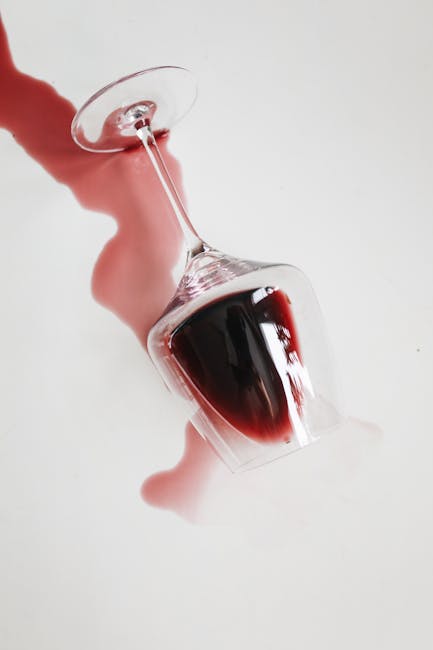
Red wine stain emergency for Mayfair restaurants: what to do, what not to do, and how to protect your dining room
Few things change the mood of a service as quickly as a red wine spill. One minute the room feels polished and effortless; the next, a dark splash lands on a pale linen napkin, a wool carpet, or an upholstered banquette, and everyone notices. A red wine stain emergency for Mayfair restaurants is not just a housekeeping problem. It is a guest-experience issue, a brand issue, and, frankly, a small crisis if it happens during a busy evening.
The good news? You can respond well, even under pressure. With the right first steps, the right kit, and a clear process, most spills can be contained before they become a lasting mark. This guide walks through the practical side of handling wine accidents in an upscale restaurant setting, from immediate response and stain-control methods to compliance, prevention, and when to call for professional support.
Whether you run a fine dining room, a private members' dining space, a hotel restaurant, or a high-end wine bar in Mayfair, the aim is the same: protect your surfaces, keep service moving, and avoid the slightly tragic sight of a permanent burgundy shadow on beautiful fabric. Let's face it, that is never the kind of "vintage" you want in the room.
Table of Contents
- Why it matters
- How the emergency response works
- Key benefits and practical advantages
- Who needs this and when it makes sense
- Step-by-step guidance
- Expert tips for better results
- Common mistakes to avoid
- Tools, resources and recommendations
- Law, compliance, standards and best practice
- Options, methods and comparison table
- Case study or real-world example
- Practical checklist
- Conclusion
- Frequently asked questions
Why Red wine stain emergency for Mayfair restaurants Matters
Mayfair dining rooms tend to carry a certain standard. The fabrics are better, the finishes are more refined, and the expectation of spotless presentation is higher. That is exactly why a red wine spill can feel disproportionately serious. It is not only the visible stain itself, but the knock-on effect: a hurried server, a distracted table, a manager pulled away from another issue, and a guest who may remember the incident more clearly than the meal.
Wine stains also behave awkwardly. Red wine contains pigments called anthocyanins, along with tannins and acids. In plain English, that means it bonds quickly, especially on absorbent materials such as cotton table linen, wool carpet, silk blends, and upholstered seating. Heat, rubbing, and delay all make things worse. So if the spill is left until after service, you are already fighting uphill.
For Mayfair restaurants in particular, the issue can spread beyond one table. Stains on dining chairs, bar stools, runners, carpets, or entrance mats can make the whole space look tired. And because guests in this part of London often notice the details, the damage to perceived quality can be out of proportion to the size of the stain. Small splash, big impression. Annoying, but true.
There is also a practical business side. Fast response can reduce replacement costs, protect stock, and reduce the chance of calling in emergency restoration work. Even a good commercial cleaning routine becomes more effective when the team knows exactly what to do in the first five minutes of an incident.
How Red wine stain emergency for Mayfair restaurants Works
A proper emergency response follows a simple idea: absorb first, treat second, assess third. The goal is not to scrub the stain out in one heroic move. It is to stop the wine from spreading, lift as much liquid as possible, and choose the least risky cleaning method for the surface involved.
In a restaurant, that response needs to happen quickly and quietly. A server should not improvise with whatever happens to be nearby. A bottle of sparkling water, a wet cloth, or a splash of detergent from the kitchen can help in some cases, but can also push pigment deeper into the fibre. The best approach is to have a standard response process that front-of-house and housekeeping staff understand before service begins.
For absorbent soft furnishings, the stain usually moves through several stages. First, liquid sits on the surface. Then it starts to wick into the fibres. After that, the colour begins to set, especially if it is blotched, rubbed, or exposed to warmth. Carpets, banquette seating, and armchairs can all hold the stain underneath the visible surface, which is why it may reappear later if only the top layer is treated.
That is one reason many restaurants combine reactive spill care with scheduled deep maintenance. A steady programme of deep cleaning helps remove residue, refresh textiles, and reduce the build-up that makes spot treatment harder. A clean surface is usually much easier to rescue than a worn, over-treated one.
There is a final part to the process: knowing when to stop. If the item is delicate, valuable, or already marked by previous treatment, it may be safer to pause and bring in experienced help rather than make the stain larger. Sometimes restraint is the smartest move. Not glamorous, but smart.
Key Benefits and Practical Advantages
Handling wine spills well gives you more than a cleaner carpet. It supports service quality from the floor up.
- Protects guest experience: Guests feel reassured when the team responds calmly and competently, without drama.
- Reduces permanent staining: Fast blotting and correct product choice can stop a temporary spill from becoming a long-term mark.
- Limits disruption during service: A tidy process keeps the dining room moving instead of turning one spill into a scene.
- Extends the life of furnishings: Repeated harsh scrubbing damages fabric fibres; the right method preserves them.
- Reduces replacement spend: Chairs, runners, and carpets are expensive to replace in a Mayfair setting, especially bespoke pieces.
- Supports hygiene and presentation: Spill control also helps prevent sticky residue, odour, and secondary dirt attraction.
There is another benefit that is easy to miss: confidence. A team that knows what to do makes fewer panicked decisions. That matters on a Friday night when the room is full, the sommelier is busy, and someone has just knocked a glass with a coat sleeve. If the response is automatic, the whole atmosphere stays smoother.
For managers, a consistent emergency process also makes staff training easier. New starters, agency staff, and split-shift teams can follow the same playbook, which reduces variation and mistakes. It is one of those little operational things that pays off quietly over time.
Who This Is For and When It Makes Sense
This guidance is relevant for anyone responsible for dining room presentation or fabric care in a hospitality setting. In practical terms, that includes restaurant managers, head waiters, duty managers, housekeeping teams, floor staff, and cleaners who support the venue before or after service.
It is especially useful if your restaurant has any of the following:
- light-coloured carpets or rugs
- upholstered chairs, banquettes, or bar seating
- linen tablecloths and cloth napkins
- private dining rooms with decorative textiles
- frequent wine service or tasting menus
- high guest turnover with limited turnaround time
If you have a small, informal space with wipe-clean finishes, the risk is lower, but not gone. A single spill on a seam, a cushion, or a woven runner can still leave a mark. And if you have expensive interiors, the stakes go up quickly. The more refined the room, the more visible the mistake. That is just how it goes.
It also makes sense when planning after-hours support. Restaurants that rely on one-off cleaning for occasional refreshes often need a more specific emergency approach for spills, because waiting until the next scheduled clean may be too late. If a stain is fresh, the odds are better right now than tomorrow morning.
Step-by-Step Guidance
Here is a practical response sequence that works well in restaurants. Keep it calm, keep it short, and keep it consistent.
- Protect the table or area immediately. Move glassware, menus, and plates away from the spill. If it is on a chair or carpet, stop foot traffic around it.
- Blot, do not rub. Use a clean, dry cloth or absorbent paper to lift liquid from the surface. Press gently. Repeating this a few times is better than one hard scrub.
- Work from the outside in. This helps stop the stain spreading into a wider ring.
- Check the fabric type first. Linen, wool, velvet, synthetic upholstery, and carpet fibres all react differently. What helps one can harm another.
- Use the mildest suitable treatment. Cold water and careful blotting may be enough for fresh spills on some fabrics. Delicate materials may need specialist treatment rather than a standard spot cleaner.
- Remove residue thoroughly. Leftover solution can attract dirt or create a pale patch later, which is a bit of a nuisance.
- Dry the area properly. Use airflow, not heat, unless the material and cleaning product clearly allow it.
- Inspect once dry. Some stains look improved while wet but reappear as the fibres dry. A second check saves embarrassment later.
If the spill is on a chair or banquette, check the stitching, seams, and backing as well. Wine can travel beyond the visible surface, and that hidden spread is the part that gets you later. On carpets, inspect under nearby furniture feet too; capillary action can leave a faint trail in a surprising place.
When the area is large, repeated, or on a high-value textile, do not keep experimenting. Bring in a professional cleaner who understands hospitality fabrics. If you are already using a regular cleaning schedule, the emergency response should sit neatly alongside it, not replace it.
Expert Tips for Better Results
There are a few small habits that make a big difference. None of them are dramatic, but they save time and money.
- Act fast, but calmly. Panic leads to over-wetting and rubbing. Speed is useful; chaos is not.
- Keep a spill kit ready. A restaurant kit should include clean microfibre cloths, disposable towels, gloves, a small bottle of safe spot-treatment solution, and a simple instruction card.
- Train staff on fabric awareness. A velvet banquette needs a different response from a synthetic chair pad.
- Test any product first. Always spot-test on a hidden area. Always. It takes a minute and can save a sofa.
- Use fresh cloths as they saturate. A soaked cloth just moves the stain around.
- Document repeat spills. If one area keeps taking damage, it may be time to change layout, service flow, or protective coverings.
- Build in aftercare. Once the stain is gone, check for odour, sticky residue, or water marks after drying.
A small, slightly unglamorous truth: many emergency cleaning failures happen because the team means well. They reach for the nearest towel, the nearest spray, the nearest bit of chemistry under the sink. Helpful instinct, wrong method. A little structure beats enthusiasm every time.
If your restaurant is doing a broader refresh, it can be worth pairing stain response training with upholstery cleaning or carpet cleaning so the furniture starts from a cleaner base. That makes emergency stain removal noticeably easier.
Common Mistakes to Avoid
Most wine stains that linger do so because of one or two avoidable errors. Here are the big ones.
- Rubbing the stain hard: This pushes pigment deeper and frays fibres.
- Using hot water too soon: Heat can set the stain on certain materials.
- Over-wetting upholstery: Too much liquid can cause rings, spread, and long drying times.
- Applying too many products: Layering cleaners can create chemical reactions or leave residue.
- Ignoring the underlay or backing: The top looks fine, then the stain returns later.
- Waiting until after service: Fresh stains are far easier to lift than dried ones.
- Using coloured cloths that transfer dye: A practical one, but it happens more often than people admit.
There is also a management mistake: assuming one person "just knows" how to deal with spills. In a busy Mayfair restaurant, that is not a system. That is luck. And luck is not a reliable cleaning policy, honestly.
Tools, Resources and Recommendations
You do not need a huge toolkit, but you do need the right basics. The best restaurant spill kit is simple, easy to grab, and used the same way every time.
| Tool or item | Why it helps | Best use |
|---|---|---|
| Microfibre cloths | Absorb liquid without aggressive rubbing | Fresh spills on most surfaces |
| White paper towels | Good for blotting and checking colour transfer | Initial response on table linens and carpets |
| Gloves | Protect hands during cleaning | Any spill response with liquids or chemicals |
| Fabric-safe spot treatment | Helps lift pigment when used correctly | Controlled treatment after blotting |
| Small spray bottle of cold water | Useful for gentle dilution | Only where appropriate for the material |
| Fan or airflow access | Supports drying and reduces lingering dampness | After treatment |
For restaurant environments with a lot of textile surface area, a professional relationship with a cleaning team can be a sensible part of the plan. If you want to understand how a provider presents its service standards and working practices, pages such as about us and insurance and safety can be useful for reassurance before you book anything. That matters when you are trusting someone around expensive interiors.
It is also sensible to review pricing and quotes before you need help in a rush. Emergency work is always easier to approve when you have already had the conversation and know what level of service to expect.
Law, Compliance, Standards and Best Practice
For restaurants, stain response is not usually a standalone legal issue, but it does sit within wider duties around workplace safety, hygiene, and responsible housekeeping. In the UK, employers are generally expected to provide a safe working environment and suitable procedures for handling cleaning chemicals. That means staff should know what products are in use, how to use them safely, and what to do if a spill response creates a slip hazard.
Best practice also matters. Hospitality teams should avoid risky improvisation, especially with strong chemicals on fabric, because incorrect use can affect both staff safety and the appearance of the venue. If a treatment creates fumes, leaves a slippery patch, or damages an expensive chair, the cost is not just the fabric. It is the service interruption and the reputational knock-on effect.
Where possible, keep a simple written procedure for spill response. It does not need to be fancy. A one-page guide, a basic training reminder, and a clear escalation route are often enough. Include who checks the area after cleaning, who signs off the treatment, and when professional support is called in.
It is also sensible to consider insurance and record-keeping for any significant incident. That is not about being dramatic; it is about being organised. A restaurant that keeps good housekeeping records tends to spot patterns earlier, such as repeated damage in one section or a product that is not performing well.
Finally, cleaning should fit within your wider operational standards. If your venue already follows documented health and safety policies, the spill response can sit neatly inside them rather than being treated as a separate mini-problem every time it happens.
Options, Methods and Comparison Table
Not every wine spill needs the same response. Here is a simple comparison to help you judge the right route.
| Method | Best for | Pros | Watch-outs |
|---|---|---|---|
| Dry blotting only | Very fresh spills on table linen or some hard-wearing fabrics | Fast, low risk, minimal residue | May not fully remove pigment from porous materials |
| Cold water dilution + blotting | Fresh stains on suitable fabrics and carpets | Gentle and effective when done early | Can spread the stain if overused |
| Fabric-safe spot treatment | Stains that remain after initial blotting | Improves stain lift on more stubborn marks | Needs testing and careful application |
| Professional extraction | Carpets, rugs, or large upholstery spills | Deeper cleaning and better stain control | Requires scheduling or emergency callout |
For many restaurants, the best route is a mix: first aid for the stain on the spot, followed by professional care when the material or scale demands it. That is especially true for delicate or high-value furnishings. If you already use communal area cleaning or other regular maintenance support, aligning those services with a stain policy can make your whole operation more resilient.
Case Study or Real-World Example
Picture a busy Saturday evening in a Mayfair dining room. A server clears a bottle of Barolo from a table, catches the neck on a napkin, and a small arc of wine lands across a linen runner and the edge of a padded chair. Not ideal. The room is full enough that everyone nearby notices, and the table is expecting a relaxed, premium experience, not a clean-up routine.
The response starts quietly. The server places a clean napkin over the spill, calls the duty manager, and uses a prepared cloth to blot the surface instead of rubbing at it. The manager checks the chair fabric, confirms it is a synthetic blend rather than a natural fibre, and applies a fabric-safe treatment sparingly. The linen is removed for separate laundering, and the chair is left to dry with airflow rather than heat.
By the end of service, the runner is stained but recoverable. The chair shows no visible mark once dry. More importantly, the guests were not made to feel like a problem had taken over the table. They were looked after, service continued, and the incident did not dominate the evening.
That is the real goal. Not perfection. Control. A restaurant that stays calm in small emergencies tends to feel more confident overall, and guests pick up on that immediately.
Practical Checklist
Use this checklist as a quick reminder for floor teams and managers. Print it, keep it near the service station, and make sure new staff can follow it without overthinking.
- Keep a spill kit accessible before service starts.
- Train staff to blot, not rub.
- Identify the main fabric types in the dining room.
- Use the mildest suitable treatment first.
- Test any product on a hidden area.
- Avoid hot water and harsh scrubbing on delicate textiles.
- Check for hidden soak-through on chairs and banquettes.
- Dry the area fully before reopening it.
- Reinspect once the surface is dry.
- Record repeat incidents and problem areas.
- Escalate valuable, delicate, or stubborn stains quickly.
- Review the process after any major spill so the team learns from it.
If your restaurant is preparing for a seasonal refresh, or if you are dealing with multiple marks rather than one isolated spill, booking a more thorough office cleaning-style routine for back-of-house and admin spaces can also help free up staff time for front-of-house presentation. Different area, same principle: tidiness buys breathing room.
Conclusion
A red wine stain emergency for Mayfair restaurants is stressful mainly because it is so visible. But visible does not mean unmanageable. With a calm first response, the right products, a sensible team process, and a willingness to stop before doing more harm, you can save fabrics, protect presentation, and keep service feeling smooth.
The broader lesson is simple: prepare before the spill happens. A well-trained team, a ready spill kit, and a relationship with a trusted cleaning provider will always beat a last-minute scramble. Guests may never know how close you came to a lingering mark, which is exactly how it should be.
And if the stain is beyond what a table-side fix can handle, that is not failure. It is just the point where experience takes over. Sometimes the grown-up answer is to call in proper help and move on with the evening.
Get a free quote today and see how much you can save.
When the room looks right, everything else feels easier. That little bit of calm really does change the night.
Frequently Asked Questions
What should staff do first when red wine is spilled in a restaurant?
They should protect the area, stop further traffic, and blot the spill with a clean, dry cloth or paper towel. Rubbing usually makes the stain worse.
Can red wine stains be removed from restaurant upholstery?
Often, yes, especially if the spill is fresh and the fabric is treated correctly. The result depends on the material, how quickly the response happens, and whether the stain has already set.
Is sparkling water a good fix for a wine spill?
It can help in some cases, but it is not a universal solution. Used carelessly, it can spread the stain or over-wet the fabric. Gentle blotting is usually the safer first step.
Why do red wine stains come back after drying?
Because liquid can soak deeper into fibres, backing, or underlay. If only the surface layer is cleaned, residue can rise back as the area dries.
Should restaurants use heat to dry the stained area faster?
Usually no, unless the fabric and treatment method clearly allow it. Heat can set some stains and may damage delicate upholstery or carpet fibres.
How can a Mayfair restaurant prevent repeat wine-stain incidents?
Good layout, careful service training, accessible spill kits, and routine cleaning all help. It also pays to identify which seating or carpet areas are most exposed and protect those first.
Do wine stains need professional cleaning every time?
Not every time. Very fresh, minor spills may be managed on site. But larger stains, delicate fabrics, and anything on high-value furnishings are often better handled by experienced cleaners.
What type of fabric is hardest to clean after red wine spills?
Delicate or highly absorbent materials such as silk blends, wool, velvet, and some natural fibres can be more difficult, especially if the stain is old or has been rubbed in.
How quickly should a restaurant respond to a wine spill?
Immediately if possible. The first few minutes matter most. The longer the stain sits, the more likely it is to bond to the fibres.
Can table linen and upholstery be treated the same way?
No. Linen may be removed and laundered, while upholstery needs a fabric-safe method that accounts for padding, seams, and drying time. Different materials need different care.
What should be in a restaurant spill kit?
At minimum: absorbent cloths, white paper towels, gloves, a suitable fabric-safe cleaner, and a simple instruction card. Keep it easy to find and easy to use.
How do cleaning standards affect guest perception in Mayfair?
Quite a lot. In an upscale area, small details carry weight. A clean chair, spotless carpet, and calm reaction to a spill all support the sense that the venue is well run.