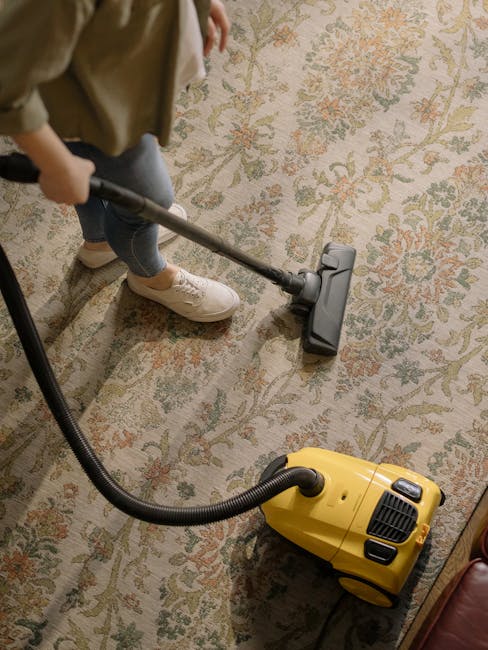
Same-day stain removal in Mayfair: urgent carpet rescue
Spilled red wine on a cream carpet before guests arrive? Mud tracked in after a wet London walk? Coffee, makeup, pet accidents, ink, food, all of it can turn a calm room into a little panic zone in seconds. That is exactly where Same-day stain removal in Mayfair: urgent carpet rescue earns its keep. When time is tight, the difference between a mark that lifts cleanly and one that sets for good is often measured in minutes, not hours.
This guide walks you through what urgent stain treatment really involves, what to do first, what to avoid, and how to decide whether a quick DIY response is enough or whether you need professional help straight away. It is written for real life in London: small flats, busy homes, offices, landlords, and anyone who has looked down at a carpet and thought, well, that is annoying.
Along the way, you will also find practical advice on choosing the right response, simple best practices that reduce damage, and a few local-service links that may help if you need broader carpet care beyond the immediate emergency. If your stain is part of a bigger cleaning issue, you may also find useful guidance in our pages on carpet cleaning services, rug cleaning, and upholstery cleaning.
Why Same-day stain removal in Mayfair: urgent carpet rescue Matters
Stains are not just cosmetic. On carpet, they can seep into fibres, reach underlay, and react with heat, moisture, or cleaning products in ways that make them harder to remove later. In a place like Mayfair, where homes and business interiors often feature high-quality wool blends, patterned rugs, or light-coloured carpets, speed matters even more. To be fair, no carpet likes being left alone with a fresh spill.
Same-day response matters because many stains are time-sensitive. A fresh coffee spill behaves very differently from one that has dried overnight. A little food colouring or fruit juice might look minor at 9am and become a stubborn halo by lunchtime. Urgent treatment helps stop the stain from oxidising, spreading, or bonding with the fibres.
There is also a practical local angle. Mayfair properties are often used for entertaining, private meetings, hospitality, short-term lets, or high-footfall visits. That means a visible carpet mark can affect presentation, comfort, and sometimes even rental or handover expectations. If you are managing multiple surfaces after a spill, our commercial carpet cleaning page may be relevant for larger premises or office spaces.
Expert summary: the quicker you act, the more likely the stain can be treated safely, with less abrasion, less discolouration, and less risk of a permanent mark. It sounds obvious, but in real life people often wait too long because they are worried about making it worse. Sometimes that hesitation is the thing that makes it worse.
How Same-day stain removal in Mayfair: urgent carpet rescue Works
Urgent carpet rescue is a fast, careful process rather than a rushed scrub. The goal is to identify the stain, stabilise it, and choose the least aggressive method that can still work. Different stains behave differently, and that is where experience counts.
In most cases, the process follows a simple logic:
- Assess the stain type - water-based, oily, protein-based, dye-based, or unknown.
- Check the carpet fibre - wool, synthetic, mixed fibre, delicate pile, or a woven rug.
- Test a small area - especially on dyed or sensitive carpets.
- Use targeted treatment - blotting, controlled extraction, spotting agents, or pH-balanced solutions.
- Rinse and neutralise - to reduce residue that could attract more dirt later.
- Dry properly - because lingering damp can cause reappearance, odour, or edge marks.
That last step is often underappreciated. A stain may seem gone, but if residue remains deep in the pile, it can wick back to the surface as the carpet dries. You know the feeling: you breathe out, think it is sorted, and then the mark reappears the next afternoon. Annoying, but common.
Professional same-day stain removal usually also includes judgement. For example, an old lipstick mark on wool requires a different approach from a spilt black tea on synthetic carpet. Strong solvents are not always better. In fact, using the wrong one can strip dye, spread the stain, or distort the pile.
If the stain has affected more than just the carpet face, follow-up care may be needed for nearby textiles too. Our guide to curtain cleaning can be useful if splash damage reaches soft furnishings.
Key Benefits and Practical Advantages
The most obvious benefit is obvious: you get the stain dealt with quickly. But the real advantages go beyond appearances.
- Less chance of permanent staining - fast action often prevents deeper bonding.
- Reduced fibre damage - the right method protects texture and colour.
- Better hygiene - useful for food spills, pet accidents, and organic matter.
- Lower stress - a prompt response is simply easier to live with.
- Better results on high-value carpets - especially wool, Persian-style rugs, and fitted carpets in reception areas.
- Less downtime - ideal if the room needs to be used later the same day.
There is a quieter benefit too: consistency. A one-off emergency can become a recurring issue if nobody knows how to handle spills properly. Same-day service is often the moment people realise they need a clear plan for future incidents. That small bit of preparation saves a lot of bother later.
| Benefit | Why it matters | Typical result |
|---|---|---|
| Fast intervention | Prevents stains from setting | Higher chance of complete removal |
| Fibre-safe treatment | Protects carpet texture and dye | Cleaner finish with less wear |
| Local same-day attendance | Fits urgent schedules | Room back in use sooner |
| Stain-specific methods | Matches treatment to spill type | Better outcome than generic cleaning |
Who This Is For and When It Makes Sense
This service is for anyone facing a stain that cannot wait. In practice, that includes homeowners, renters, landlords, office managers, estate agents, hospitality teams, and anyone hosting an event. It is also sensible for people with delicate or expensive flooring where a quick DIY attempt feels risky.
It makes particular sense when:
- the stain is fresh and you want the best possible chance of removal;
- the carpet is light-coloured, wool-rich, antique, or otherwise sensitive;
- the spill involves wine, coffee, tea, ink, makeup, food colouring, grease, pet mess, or unknown liquid;
- the room needs to look presentable later the same day;
- you have already tried blotting, but the mark is still visible;
- you want to avoid using the wrong shop-bought cleaner and making matters worse.
Sometimes the decision is simple. If the stain is tiny, fresh, and on a synthetic carpet, a careful blot and rinse may be enough. But if the carpet is in a prominent room, or the stain is on a woven rug with sentimental value, getting help early is often the sensible move. No drama. Just judgement.
For homes with mixed surfaces, it can also help to look at broader cleaning care, such as hard floor cleaning, because one incident often affects more than one material.
Step-by-Step Guidance
If you are dealing with a fresh stain right now, here is the practical sequence to follow before and during same-day treatment. The order matters more than people realise.
1. Act quickly, but do not panic
First, stop the spill from spreading. Pick up solids gently. If liquid is still pooling, blot the edges inward with a clean white cloth or paper towel. Do not rub. Rubbing pushes the stain deeper and roughs up the pile. A calm minute at this stage can save the whole carpet.
2. Identify what spilled
Knowing whether you are dealing with wine, coffee, oil, ink, or a protein-based spill like milk changes everything. If you do not know, that is fine. Say so. An unknown stain should be treated cautiously, because mixed products can react badly.
3. Check the carpet type
Wool, nylon, polypropylene, and blended fibres do not all respond the same way. Delicate rugs and older carpets are especially prone to dye transfer or texture distortion. If the item is valuable, test first. Always.
4. Blot, do not scrub
Use light pressure. Work from the outside of the stain toward the centre to prevent spreading. If you are using water, keep it minimal. Soaking is rarely helpful and can cause wicking or browning.
5. Apply the right treatment carefully
Professionals may use fibre-safe spotting agents, controlled extraction, or specialised stain removers depending on the issue. The key word is controlled. More chemical does not equal more clean. That is one of those cleaning myths that refuses to die.
6. Rinse and dry properly
After stain removal, residue should be removed as far as practical. Then the area should dry evenly. Good airflow helps. If the room feels damp or the carpet feels cold for too long, there may still be moisture trapped inside.
7. Inspect after drying
Once the area has dried, check for any return marks, rings, or texture changes. Some stains need a second pass, especially if they were old, oily, or heavily pigmented. That is normal enough, truth be told.
Expert Tips for Better Results
Here is where experience really shows. A few small decisions can make the difference between a passable result and a proper rescue.
- Always test first on delicate carpets. Even a mild cleaner can alter colour or sheen.
- Use white cloths only. Coloured towels can transfer dye, especially when damp.
- Work in small stages. A stubborn stain often responds better to repeated gentle treatment than one aggressive attack.
- Control moisture. Too much water can create a larger problem than the original stain.
- Mind the backing and underlay. Surface cleaning alone is not always enough.
- Let the carpet dry naturally but with airflow. Heat can set some stains and warp fibres if overused.
If a stain has left an odour as well as a mark, the issue may be more than cosmetic. Urine, milk, and food spills can leave lingering smells in fibres and underlay. In those cases, a general surface wipe is rarely enough. A more thorough approach may be needed, and if pets are involved, our pet stain and odour treatment page may be helpful.
One more thing. If you are tempted to use a miracle spray from the cupboard, ask yourself: would I be happy to risk a bigger halo on a Mayfair carpet just to save ten minutes? Usually the answer is no.
Common Mistakes to Avoid
Most stain disasters are not caused by the spill itself. They happen in the minutes after. The good news is that these mistakes are avoidable.
- Scrubbing hard - this frays fibres and spreads the stain.
- Using too much cleaner - residue attracts dirt and can leave sticky patches.
- Mixing products - especially risky with bleach, ammonia, and unknown household chemicals.
- Ignoring fibre type - wool and delicate rugs need extra care.
- Using coloured cloths - a small but annoying source of transfer.
- Letting the stain dry without action - fresh is best, always.
- Forgetting to check under the surface - hidden moisture can cause smell or browning later.
A subtle one that catches people out is overconfidence after the first blot. The stain looks lighter, so they stop. Then the residue rises back up during drying. If you have ever seen a mark come back from the dead, that is usually why.
Tools, Resources and Recommendations
You do not need a van full of gear for emergency stain treatment, but the right basics help a lot. Keep the following on hand if you live or work somewhere with fitted carpets or rugs that matter to you.
- clean white microfibre cloths
- plain absorbent paper towels
- a small spray bottle for clean water
- a gentle, fibre-safe spotting solution
- a soft brush for controlled agitation, if appropriate
- a fan or good ventilation for drying
- gloves if the spill is unpleasant or unknown
For broader cleaning needs beyond one stain, many readers also ask about deep carpet care, mattress hygiene, or post-event reset cleaning. Those are all sensible follow-ons if the property needs a fuller refresh. Our end of tenancy cleaning page may also be useful if the carpet issue is linked to a move-out, inspection, or handover.
Practical recommendation: keep a simple "first response" kit somewhere easy to reach. Not tucked away in a cupboard under the stairs behind six old bags. Easy to reach. That is the point.
Law, Compliance, Standards, or Best Practice
For stain removal itself, there is usually no special legal process the customer needs to follow. Still, best practice matters, especially in managed properties, commercial buildings, and rental homes. If you are a landlord, letting agent, facilities manager, or tenant, it is sensible to treat stains promptly and document any damage appropriately.
In shared or commercial spaces, cleaning should be carried out in a way that protects occupants, staff, and the property. That usually means using suitable products, avoiding unnecessary moisture near electrics, and taking care with ventilation. Where a carpet contains wool or other delicate fibres, careful testing and restrained cleaning methods are part of normal professional practice.
There is also a simple duty of care angle. If you are responsible for the premises, leaving a wet or chemically treated carpet without warning can create slip risk or discomfort for others. So even though stain removal sounds minor, the execution should still be sensible and tidy.
For higher-end interiors, the expectation is often more than just "make the mark disappear." People also expect the pile to stay even, the dye to remain stable, and no harsh smell to linger. That is fair enough.
Options, Methods, or Comparison Table
Not every stain needs the same answer. Here is a simple comparison of common approaches.
| Method | Best for | Pros | Watch-outs |
|---|---|---|---|
| Careful blotting with water | Fresh water-based spills | Simple, low risk | May not lift dye or grease |
| Spot treatment with fibre-safe solution | Tea, coffee, food, makeup | More targeted and effective | Must be tested first on delicate fibres |
| Controlled extraction | Deeper or larger stains | Removes residue more thoroughly | Too much moisture can cause drying issues if done badly |
| Professional same-day rescue | Unknown, stubborn, or high-value stains | Best chance of safe, lasting result | May require access, drying time, and accurate stain details |
For many Mayfair homes and businesses, the best option is not the most dramatic one. It is the one that fits the fibre, the spill, and the room's timetable. A careful professional visit is often more cost-effective than replacing damaged carpet later. Simple, but true.
Case Study or Real-World Example
Here is a realistic example from a typical urgent call-out situation. A resident in a Mayfair apartment had a fresh coffee spill on a pale carpet just before an afternoon appointment. The spill was first blotted with a clean cloth, then the area was left slightly damp rather than soaked. Because the carpet was light and the pile was soft, the priority was not to over-handle it.
When the stain was assessed, it was treated as a fresh, water-based spill with a slight tannin component from the coffee. A careful spot treatment was applied, followed by controlled rinsing and gentle drying. The mark lifted well, though a faint shadow remained until the carpet fully dried. By the evening, the area looked clean and matched the surrounding pile much better than it had at lunchtime.
The useful lesson here is not that every coffee stain disappears instantly. It is that speed, restraint, and the right method matter. Had the spill been scrubbed or treated with something too harsh, the outcome could easily have been worse. Sometimes less really is more. Not always, but often enough.
Practical Checklist
Use this quick checklist when you have a fresh stain and need to act properly, not just hurriedly.
- Blot the spill gently with a clean white cloth
- Do not rub or grind the stain in
- Identify the stain type if possible
- Check the carpet fibre and age
- Test any product in an out-of-the-way area first
- Use minimal moisture
- Work from the outside toward the centre
- Rinse residue carefully
- Dry the area evenly with airflow
- Inspect again after drying for rings or reappearing marks
If you can tick most of those boxes, you are already ahead of the curve. If not, that is fine too. The point is to stop the stain becoming a permanent story in the carpet.
Get a free quote today and see how much you can save.
Conclusion
Same-day stain removal in Mayfair is not just about speed. It is about calm, careful action when a spill threatens to become a lasting mark. The best results usually come from acting early, using the right method for the stain and fibre, and avoiding the tempting but risky habit of scrubbing first and asking questions later.
Whether you are dealing with a one-off coffee spill, a pet accident, an event-related mark, or an old stain that has suddenly become more obvious, the right response can save the carpet and save your day. And honestly, that is a good feeling. A very good one.
If the stain is urgent, the room matters, and you want the best chance of a clean result without the guesswork, same-day help is often the smartest next step. Take a breath, handle it carefully, and get the carpet back to being part of the room again, not the thing everyone keeps looking at.
Frequently Asked Questions
How quickly should I treat a carpet stain?
As soon as possible. Fresh stains are far easier to remove than dried ones because they have not fully bonded with the fibres yet. Even a few minutes can make a difference.
Can I use washing-up liquid on carpet stains?
Sometimes a very small amount of mild detergent may help, but it is not a universal solution. Overuse can leave residue or cause re-soiling. Test carefully and avoid soaking the area.
What stains are hardest to remove from carpet?
Dye-based stains, ink, red wine, grease, and some pet-related stains can be challenging. Old stains are often harder too, especially if they have been heat-set or scrubbed in.
Is same-day stain removal worth it for a small mark?
Often yes, if the carpet is valuable, the stain is in a visible area, or you do not want the risk of permanent damage. Small marks can spread if handled badly, so size alone is not the whole story.
Will professional stain removal damage wool carpet?
It should not if the cleaner uses fibre-appropriate methods and tests first. Wool needs careful handling, so experience and restraint matter more than aggressive chemistry.
How long does carpet take to dry after stain removal?
Drying time varies depending on moisture level, airflow, pile type, and room conditions. A lightly treated area may dry fairly quickly, while deeper treatment can take longer. Good ventilation helps.
Can old stains still be removed on the same day?
Sometimes, yes. Older stains may need more than one stage of treatment, and complete removal is not always guaranteed. The sooner they are assessed, the better the chances.
Should I use hot water on carpet stains?
Not automatically. Heat can set certain stains, especially protein-based or dye-based marks. Cool or lukewarm water is often safer unless you know the stain type and the method being used.
What if the stain smell is worse than the mark?
That can indicate deeper contamination in the fibres or underlay. In those cases, surface cleaning alone may not be enough, and a more thorough treatment may be needed.
Are same-day stain removal services suitable for commercial spaces?
Yes. Offices, reception areas, hospitality spaces, and client-facing premises often benefit from rapid response because appearance and downtime matter more in those settings.
What should I tell the cleaner before they arrive?
Say what spilled, when it happened, the carpet type if known, and what you have already tried. That helps them choose the safest and most effective approach without wasting time.
Can I prevent carpet stains from coming back after cleaning?
Yes, usually by removing residue properly and drying the carpet evenly. Reappearing stains often happen when moisture or dissolved residue moves back to the surface during drying, so proper finishing is important.