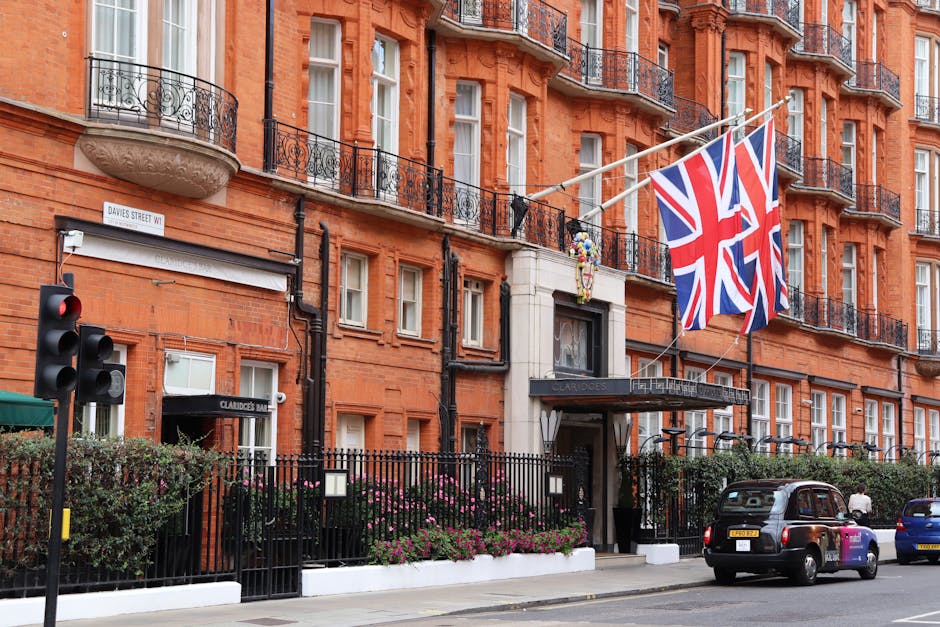
W1K office cleans for Bond Street businesses in Mayfair
Bond Street is one of those places where first impressions do a lot of heavy lifting. Clients notice the glass, the reception desk, the carpet edges, the loo, the little fingerprints on a door push plate. They notice all of it, even if they do not say so. That is why W1K office cleans for Bond Street businesses in Mayfair are about much more than keeping things tidy. They help protect your brand, support staff comfort, and keep the workplace looking calm in an area where presentation really matters.
In a busy Mayfair office, cleaning has to work around meetings, deliveries, visitors, late finishes, and the odd last-minute schedule change. Truth be told, that is the real challenge. You do not want an approach that merely "looks clean" for an hour. You want a routine that keeps the space fresh, presentable, and professionally maintained day after day. This guide explains how office cleaning in W1K works, who needs it, what to expect, and how to choose a service that fits a Bond Street business properly.
Along the way, we will also cover practical checks, common mistakes, compliance considerations, and a simple way to judge whether your current cleaning setup is doing the job. If you are comparing providers, it may also help to look at the broader services overview, the local office cleaning options for your area, and the company's pricing and quotes guidance so you can see how the pieces fit together.
Table of Contents
- Why W1K office cleans for Bond Street businesses in Mayfair Matters
- How W1K office cleans for Bond Street businesses in Mayfair Works
- Key Benefits and Practical Advantages
- Who This Is For and When It Makes Sense
- Step-by-Step Guidance
- Expert Tips for Better Results
- Common Mistakes to Avoid
- Tools, Resources and Recommendations
- Law, Compliance, Standards, or Best Practice
- Options, Methods, or Comparison Table
- Case Study or Real-World Example
- Practical Checklist
- Conclusion
- Frequently Asked Questions
Why W1K office cleans for Bond Street businesses in Mayfair Matters
W1K sits at the heart of one of London's most polished commercial districts. Bond Street businesses often deal with a mixed crowd: office teams, private clients, consultants, guests, and occasionally people who are just popping in because the location is convenient and central. That mix changes the cleaning brief. You are not only maintaining desks and bins; you are managing visitor-facing areas, shared spaces, and the little details that shape perception.
A clean office in Mayfair does a few things at once. It supports staff morale, reduces clutter, and helps the workplace feel organised. More importantly, it creates confidence. If a client walks in and the reception smells fresh, the floor is spotless, and the meeting room feels cared for, the rest of the business tends to be judged more kindly too. Fair? Maybe not. Real? Absolutely.
Bond Street is also a high-traffic part of central London, which means dust, footfall dirt, and fast-moving schedules are part of everyday life. Offices near retail, hospitality, or luxury services can pick up grime faster than people expect. So a light clean once in a while is usually not enough. You need a sensible routine that matches your building's use, not an idealised version of it.
For readers who want the wider local context, the area itself has a distinct rhythm, and the article on the streets and feel of Mayfair offers a useful sense of why presentation matters so much here. Businesses in this part of London are often judged as much by atmosphere as by service. That applies inside the office too.
How W1K office cleans for Bond Street businesses in Mayfair Works
Most office cleaning in W1K follows a straightforward process, but the details matter. A good provider will start by understanding your premises, your working hours, and your main pressure points. A small consultancy with a few rooms needs a different schedule from a multi-floor office with meeting suites, tea points, and regular client traffic. Obvious, perhaps. Yet many poor cleaning arrangements ignore that basic difference.
Typically, the service begins with a site review or a quote request. The cleaner or operations manager will look at the layout, floor types, washrooms, shared desks, kitchenettes, waste handling, and any specialist areas. From there, a plan is built around frequency: daily, several times a week, weekly, or a mix of regular cleaning and periodic deep cleaning. Some offices benefit from a short evening clean after staff leave. Others need an early-morning tidy before doors open. Timing is everything in busy Mayfair buildings.
Standard office cleaning usually covers vacuuming, dusting, sanitising high-touch areas, bin emptying, toilet cleaning, surface wiping, and kitchen maintenance. Depending on the property, it may also include glass cleaning, carpet care, upholstery touch-ups, or more intensive hygiene work for meeting rooms and communal areas. If your workplace has fabric seating or busy reception carpets, it can be worth exploring carpet cleaning in the area or upholstery cleaning support nearby so the full environment stays consistent.
In practice, the best office cleans feel invisible. Staff arrive and the place just works. Bins are emptied. The floors are not sticky near the kitchenette. The loo is presentable. No one is hunting for a cloth because the coffee splash from yesterday is still sitting there. That is the standard you should aim for.
Key Benefits and Practical Advantages
There is a commercial side to cleaning, and then there is the day-to-day reality of people actually working in the space. Good office cleaning serves both. Below are the benefits that tend to matter most for Bond Street businesses.
- Better first impressions: Client-facing offices in Mayfair need to look composed, not half-managed.
- Improved staff comfort: A well-kept environment feels calmer and less stressful.
- More consistent hygiene: Regular cleaning helps keep shared surfaces, kitchens, and washrooms under control.
- Less distraction: When the space is orderly, teams can focus on work instead of the mess.
- Protection for finishes and fixtures: Routine care helps carpets, furniture, and surfaces last longer.
- Flexible scheduling: A good provider can work around business hours, client meetings, and building access constraints.
There is also a very practical benefit that often gets overlooked: cleaning reduces the slow creep of small problems. Dust in vents, stains on carpet edges, marks on glass, and residue in kitchens are easier to manage early. Leave them too long and they become a more expensive job later. That is one of those boring truths that saves money.
Expert summary: For Bond Street offices, the best cleaning arrangements are not the most dramatic ones. They are the ones that are reliable, discreet, and tuned to the way the business actually uses the space.
If you are comparing property-adjacent concerns too, the local guides on Mayfair investment know-how and real estate deals in Mayfair show just how much presentation and upkeep can influence perceived value in this part of London. Different topic, same lesson really: care shows.
Who This Is For and When It Makes Sense
Not every business needs the same cleaning structure. Some offices need daily attention; others just need a dependable weekly reset. The question is not "Do we need cleaning?" but "What level of cleaning keeps the workplace properly fit for purpose?"
W1K office cleans for Bond Street businesses in Mayfair make sense for:
- Private offices and professional practices
- Showrooms and client meeting spaces
- Small and medium-sized enterprises sharing building access
- Luxury retail back offices and administrative suites
- Financial, legal, design, or consulting firms with regular visitors
- Spaces with mixed-use layouts, such as reception plus office plus kitchenette
It also makes sense if your staff have started doing too much cleaning themselves. That is a common sign the arrangement is not working. If everyone is taking turns wiping down counters or emptying bins, the workflow is probably leaking time in the wrong place. And let's be honest, no one is thrilled to arrive at work and start the day with a cloth in hand.
Some businesses only realise they need a better setup after a specific problem: a client complaint, a spill that caused a stain, a washroom issue, or a quarterly walkthrough that made the place look more tired than expected. That is usually the moment to step back and reassess frequency, scope, and cleaning standards.
Step-by-Step Guidance
If you want to arrange office cleaning in Bond Street without wasting time, a simple process works best. No drama. Just a clear plan.
- Walk the space properly. Note reception, desks, meeting rooms, kitchenettes, toilets, storage, and any high-touch zones.
- List the real pain points. For example, bins smell by late afternoon, glass marks up fast, or carpets near the entrance darken quickly.
- Decide the cleaning frequency. Daily, alternate days, or weekly? Be realistic about traffic and expectations.
- Choose cleaning hours that fit the office. Early morning or evening cleans often work better in busy Mayfair buildings.
- Confirm the scope in plain English. Make sure everyone agrees on what is included and what is not.
- Ask about supplies and methods. Some offices prefer eco-conscious products or fragrance-light routines.
- Set a point of contact. One person should handle feedback, access, and small changes.
- Review after the first few visits. Small tweaks early on save frustration later.
A practical example: if your team often stays late for client calls, a 6:30pm clean may make more sense than an early-morning visit. If the office hosts regular private meetings, then reception, toilets, and the main meeting room may need priority attention. The schedule should match the business, not the cleaner's favourite pattern. That sounds obvious, but it gets missed more often than you'd think.
Expert Tips for Better Results
Good cleaning is as much about design and planning as it is about elbow grease. A few small choices can make a surprisingly big difference.
1. Focus on high-touch points first
Door handles, lift buttons, desk edges, taps, switches, and shared kitchen surfaces should be near the top of the list. These are the areas people touch constantly, and they shape both hygiene and appearance.
2. Match products to materials
Not every surface likes the same treatment. Stone, glass, fabric, vinyl, and timber all behave differently. Using the wrong product can leave residue, dull finishes, or damage delicate materials over time. A cleaner who understands this is worth far more than one who just works fast.
3. Keep reception and washrooms especially sharp
If you only have budget for extra attention in two places, make it the reception area and toilets. Guests remember them. Staff remember them too, unfortunately. Little things count.
4. Build in periodic deep cleaning
Routine cleaning keeps things under control; deep cleaning resets them. Carpets, skirting boards, high ledges, and upholstery need more than daily surface care. If your office has a lot of fabric or carpeted area, pairing office cleaning with carpet care can make the whole site feel fresher for longer.
5. Keep feedback simple and specific
"It looks cleaner" is nice, but not especially useful. Better feedback sounds like: "The meeting room table still has marks after lunch," or "The washroom bins need emptying before 4pm." Clear notes help the service improve.
One small local observation: Bond Street offices often have tighter access windows than people expect, especially in mixed-use buildings. A cleaner who can work around security arrangements without fuss is a real asset. No awkward calls, no delays, no mess left behind. Lovely.
Common Mistakes to Avoid
Many office cleaning problems are not caused by bad intentions. They come from vague expectations, under-scoping, or assuming "clean" means the same thing to everyone. It doesn't.
- Setting an unclear brief: If the scope is fuzzy, the result usually is too.
- Choosing price alone: Cheap can be fine in some cases, but low cost without clarity usually becomes expensive in complaints and rework.
- Ignoring access logistics: Building entry, keys, alarms, and escort rules all matter in central London.
- Forgetting seasonal pressure: Rainy days, winter salt, and heavier foot traffic all change the cleaning load.
- Skipping deep cleans for too long: Surface cleaning cannot fix everything forever.
- Not checking insurance or policies: A professional service should be able to explain its approach clearly.
There is also the classic mistake of assuming the office "looks fine" because nobody has complained. That is not always a reliable signal. In many workplaces, people simply get used to gradually worsening conditions. You notice it all at once when a visitor points it out or when you change the layout and suddenly the dust line on the skirting is impossible to unsee. Bit annoying, that.
Tools, Resources and Recommendations
If you are managing office cleaning in W1K, a few practical resources can help you make better decisions.
- Service detail pages: Review the main services overview to understand what is typically available.
- Local office options: Check the office cleaning page for the area to see what is offered for nearby businesses.
- Pricing clarity: Use the pricing and quotes page to understand how requests are usually handled.
- Trust and process: Read the about us page to get a sense of the company's background and approach.
- Safety expectations: Review health and safety policy information before booking work in a busy office.
- Security and peace of mind: The insurance and safety guidance is useful if you want reassurance around risk management.
If your office is part of a wider property portfolio or you are also thinking about residential or mixed-use management in the area, the local content on living in Mayfair and Mount Street flat cleaning services can be a useful reminder that presentation standards in this part of London tend to run high across the board.
Sometimes the best resource is simply a clear checklist and one reliable point of contact. Fancy systems are not always better. Often, they just add friction.
Law, Compliance, Standards, or Best Practice
For office cleaning, the main compliance question is usually not about one dramatic rule. It is about sensible practice, documented responsibility, and a safe working arrangement. In the UK, businesses generally need to keep workplaces safe and well maintained, and cleaners should work in ways that align with normal health and safety expectations. If a provider uses equipment, chemicals, or access methods in your office, those should be managed responsibly.
Best practice usually includes:
- clear access arrangements and key handling
- safe product storage and use
- staff awareness around slips, trip hazards, and wet floors
- appropriate insurance and risk awareness
- respect for privacy, confidential material, and desk security
It is also sensible to ask how a cleaner handles waste, sharps if relevant, and any unusual items found in shared spaces. Most offices never have a major issue here. Still, having a policy is better than improvising. If you want additional context around responsible operations, the pages on health and safety and modern slavery statement help signal the sort of standards a professional supplier should be able to discuss without hesitation.
And yes, discreetness matters too. Offices near Bond Street often handle sensitive information. A cleaner who understands boundaries, keeps clear of paperwork, and follows agreed procedures is not a luxury. It is basic professionalism.
Options, Methods, or Comparison Table
Not every office needs the same cleaning model. Here is a straightforward comparison that helps many Bond Street businesses decide what makes sense.
| Approach | Best for | Strengths | Watch-outs |
|---|---|---|---|
| Daily office cleaning | Busy client-facing offices and shared spaces | Consistent presentation, better hygiene, fewer build-ups | Higher ongoing cost; needs clear scope |
| Several times per week | Moderate-traffic offices and smaller teams | Good balance of cost and upkeep | Can fall behind if traffic suddenly increases |
| Weekly cleaning | Low-traffic or smaller administrative offices | Budget-friendly and simple to manage | May not be enough for reception or washrooms |
| Hybrid cleaning | Offices with variable schedules or mixed-use areas | Flexible and tailored to real use | Needs good communication and regular reviews |
In many Mayfair offices, hybrid cleaning works best. You might want daily attention for bins, washrooms, and the kitchen, but only need a deeper visit for carpets and meeting rooms once a week or fortnightly. That kind of split keeps standards high without paying for more than you use.
Case Study or Real-World Example
Take a typical Bond Street office: a small professional team, a reception area, two meeting rooms, one kitchenette, and a couple of washrooms. Nothing huge. But the business has regular visitors, and the team often works late. At first, they arranged one weekly clean and asked staff to "keep things tidy" in between. That usually sounds workable right up until a rainy Monday, when muddy footprints build up near the entrance and the kitchen gets busy after lunch.
They changed the arrangement to a weekday evening clean with extra attention on high-touch points and washrooms, plus a monthly deeper visit for floors and fabric seating. The difference was not dramatic in a flashy way. It was more subtle. The office felt more settled. Visitors walked in and relaxed. Staff stopped half-managing the cleanliness themselves. The reception desk looked presentable at 8:45am instead of just after a scramble.
What made the biggest difference was not fancy products or a long list of extras. It was consistency and timing. A small office in W1K does not need theatre. It needs reliable standards, and then a bit more reliability on top of that. That is the sweet spot.
Practical Checklist
Use this checklist before you confirm or review your office cleaning arrangement.
- Have you identified your busiest areas?
- Do you know which spaces are client-facing and need extra attention?
- Is the cleaning frequency matched to actual footfall?
- Are access times realistic for the building and the team?
- Has the scope been written in plain language?
- Do you know who handles feedback and changes?
- Are carpets, upholstery, and glass included where needed?
- Have safety, insurance, and key handling been discussed?
- Is there a plan for periodic deep cleaning?
- Have you reviewed the service after the first few cleans?
If you can answer "yes" to most of those, you are in decent shape. If not, that is not a disaster. It just means there is room to tighten things up before issues become routine. Better to sort it now than later, when the office has been quietly annoying everyone for months.
Conclusion
W1K office cleans for Bond Street businesses in Mayfair are really about fit. Fit for the pace of the area, fit for the kind of clients who walk through the door, and fit for the way your team actually uses the office. The best result is not simply "clean enough." It is a workplace that feels steady, professional, and easy to step into every day.
When you get the schedule right, the scope right, and the standards right, the whole office starts to work better. People settle. Visitors notice. Small messes stop becoming big ones. And the place just feels more looked after, which is a nice thing in a busy part of London where a lot is asked of every square foot.
Get a free quote today and see how much you can save.
And if you are still weighing up the bigger picture, take a little time to compare services, check the policies, and ask the ordinary questions. The ordinary questions are often the smartest ones. That is usually where the best decisions begin.
Frequently Asked Questions
What does W1K office cleaning usually include?
Most office cleaning in W1K includes vacuuming, dusting, surface wiping, bin emptying, washroom cleaning, and kitchenette upkeep. Depending on the office, it may also include glass cleaning, carpet care, and attention to reception or meeting rooms.
How often should a Bond Street office be cleaned?
That depends on footfall, visitor volume, and how the space is used. Busy client-facing offices often need daily cleaning, while smaller or quieter offices may manage well with several visits a week or a weekly schedule plus periodic deep cleaning.
Can office cleaning be done outside business hours?
Yes, and in central London that is often the most practical option. Evening or early-morning cleans usually reduce disruption and make it easier to work around meetings, deliveries, and client appointments.
Is there a difference between office cleaning and deep cleaning?
Yes. Office cleaning is regular maintenance: keeping surfaces, floors, bins, and washrooms under control. Deep cleaning goes further and tackles areas that are not covered every day, such as carpets, skirting boards, detailed kitchen areas, and more built-up grime.
What should I ask before booking a cleaner for my Mayfair office?
Ask about the cleaning scope, frequency, access arrangements, insurance, health and safety practices, supplies, and how feedback is handled. Those basics tell you a lot about how professional and reliable the service is likely to be.
Are eco-friendly cleaning products available for offices in W1K?
Often, yes. If your team prefers low-fragrance or more environmentally conscious products, it is worth raising that early. A good cleaner should be able to explain what products they use and where they are suitable.
How do I know if my current cleaning arrangement is not enough?
Common signs include visible dust build-up, lingering smells, dirty entrances, staff doing ad hoc cleaning themselves, or client-facing areas looking tired too quickly. If issues keep returning, the schedule or scope probably needs adjusting.
Do Bond Street businesses need special attention for entrances and reception areas?
Usually, yes. Reception is where first impressions happen, and entrances pick up the most dirt from foot traffic, rain, and outdoor debris. These areas often need more frequent attention than back-office spaces.
Can office cleaning include carpets and upholstery?
Yes, but these services are often handled as part of a broader package or as periodic add-ons. Carpets and upholstered seating usually benefit from separate maintenance rather than only routine surface cleaning.
How should cleaning be managed in offices with confidential material?
Confidentiality should be part of the working agreement. That means clear access rules, careful handling of desks and paperwork, and a cleaner who understands boundaries. Discretion matters, especially in professional offices.
What is the best way to compare office cleaning quotes?
Compare scope, frequency, timing, included tasks, and service terms rather than price alone. A slightly higher quote can be better value if it includes the work your office actually needs and avoids hidden gaps later on.
Where can I learn more about the company's approach and policies?
You can review the about us page, the health and safety policy, and the insurance and safety information to understand how the service is structured and what standards it follows.